Collection · 26 prompts
AI prompts for students
These prompts help you study, not skip the studying. Use them to plan revision before an exam, turn notes into flashcards and quizzes, understand a hard topic step by step, outline an essay, summarise a research paper, and plan group projects and assignments so nothing piles up in the last week.
They work in ChatGPT, Gemini and Claude. Paste your own syllabus, notes or rubric where the prompt asks for it, because answers based on your real course are far more useful. Follow your school or university rules on AI use, and never submit AI-written work as your own.
Last updated
Download 26 prompts as a free PDF119 KB · no sign-up · all prompt packs
Free resume builder for studentsBuilding your first resume? Free ATS check · clean PDF · no sign-up
All 26 prompts
 Exam study plan + revision timetableChatGPT · Gemini · Claude
 Plan your assignments before deadlinesChatGPT · Gemini · Claude
 Split a group project fairlyChatGPT · Gemini · Claude
 Study schedule around a full-time jobChatGPT · Gemini · Claude
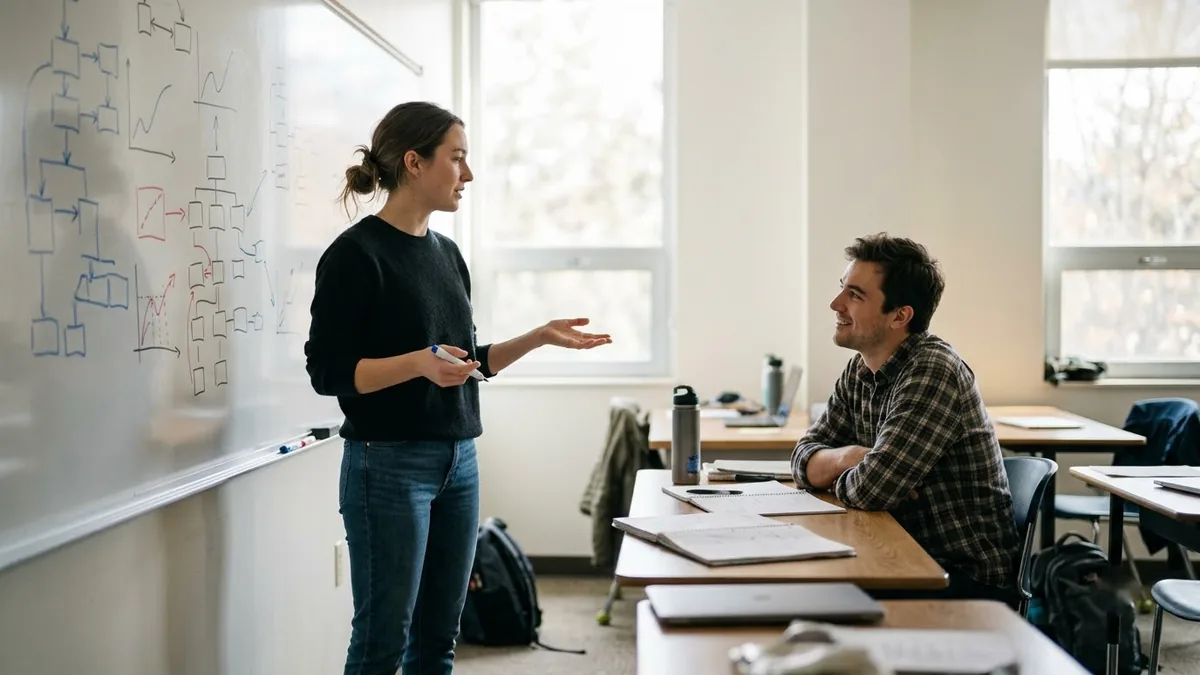 Learn a hard topic with the Feynman techniqueChatGPT · Gemini · Claude
 Learn with a Socratic tutorChatGPT · Gemini · Claude
 Make a concept map of a topicChatGPT · Gemini · Claude
 Learn any topic through quiz questionsChatGPT · Gemini · Claude
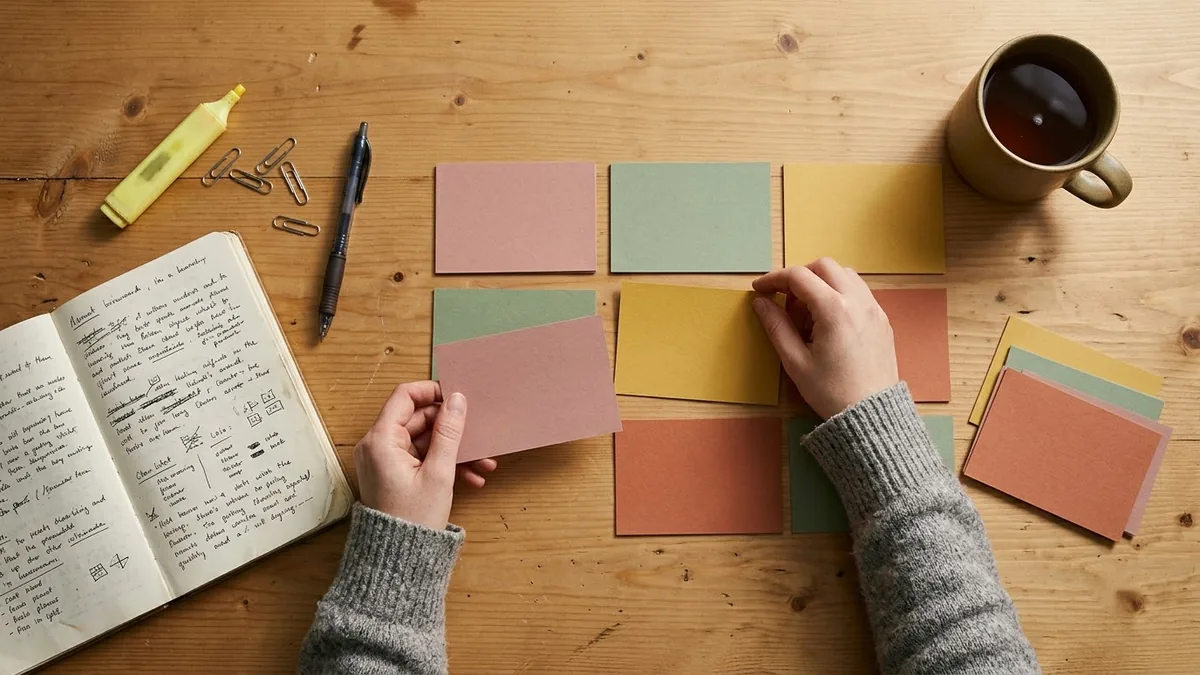 Turn your notes into flashcardsChatGPT · Gemini · Claude
 Plan spaced repetition for an examChatGPT · Gemini · Claude
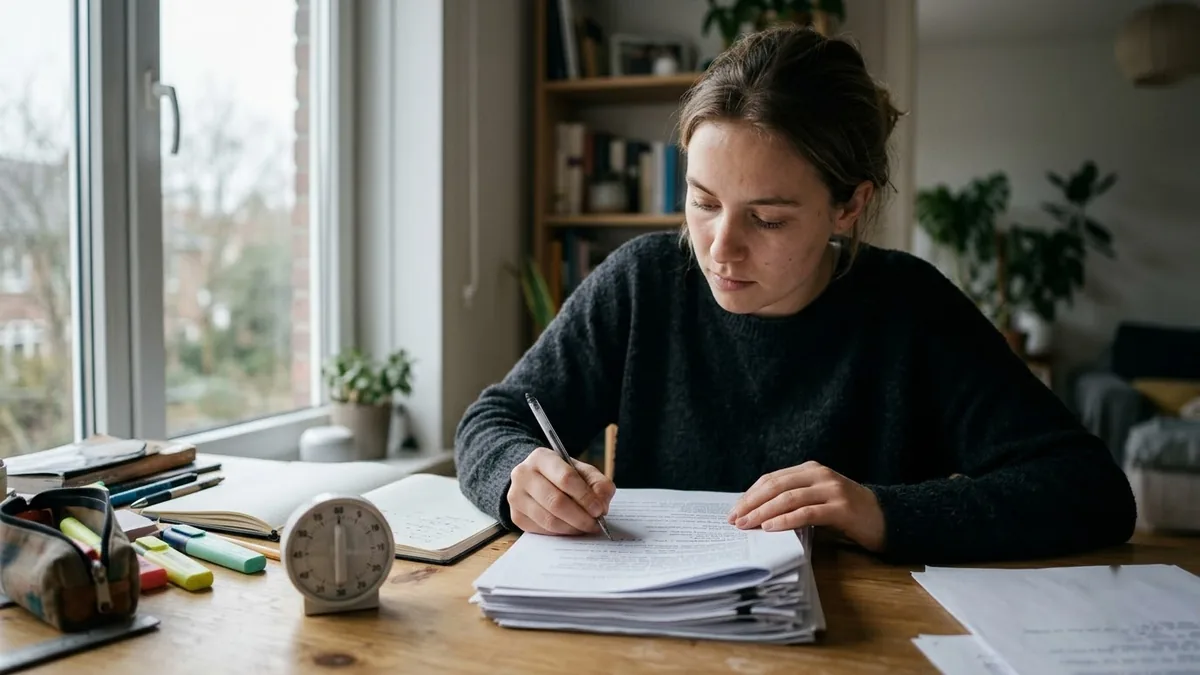 Practice exam questions on a topicChatGPT · Gemini · Claude
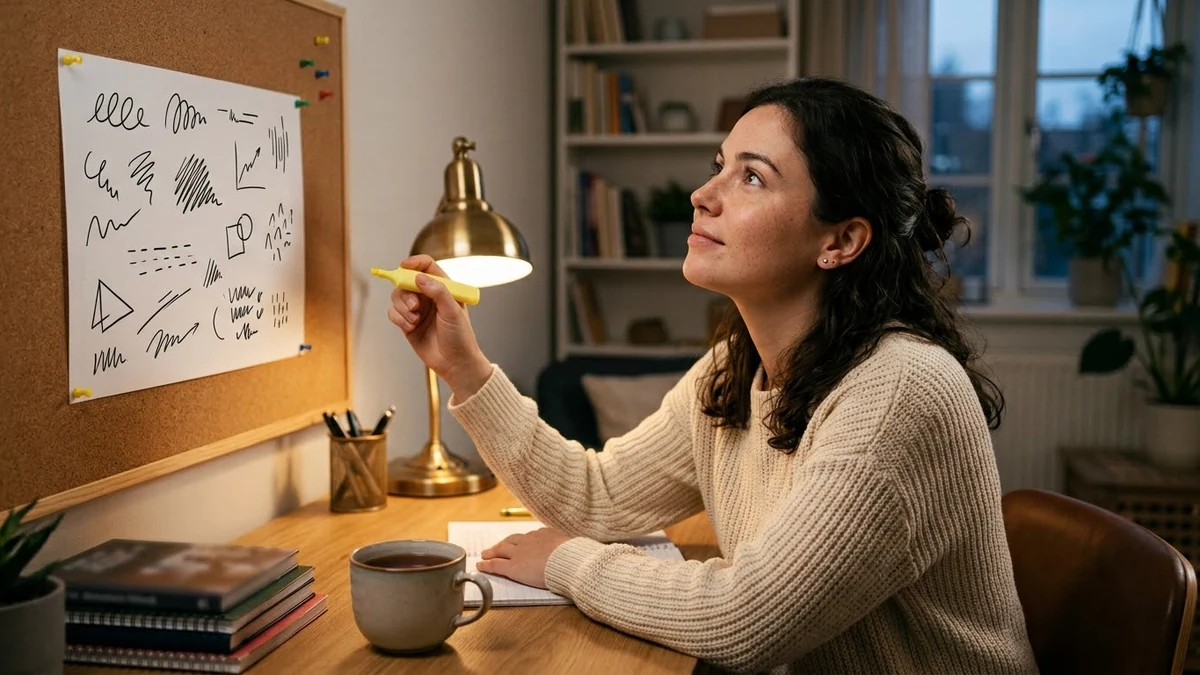 Make a one-page revision summary sheetChatGPT · Gemini · Claude
 Turn a book chapter into study notesChatGPT · Gemini · Claude
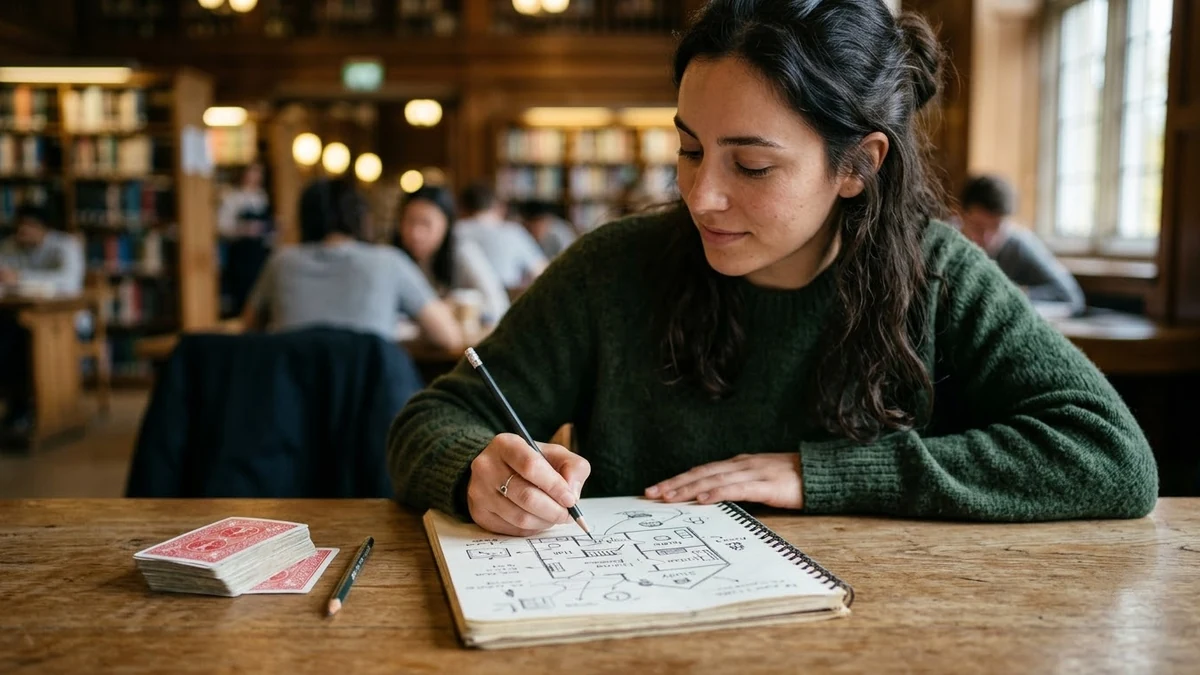 Memory tricks for a list to learnChatGPT · Gemini · Claude
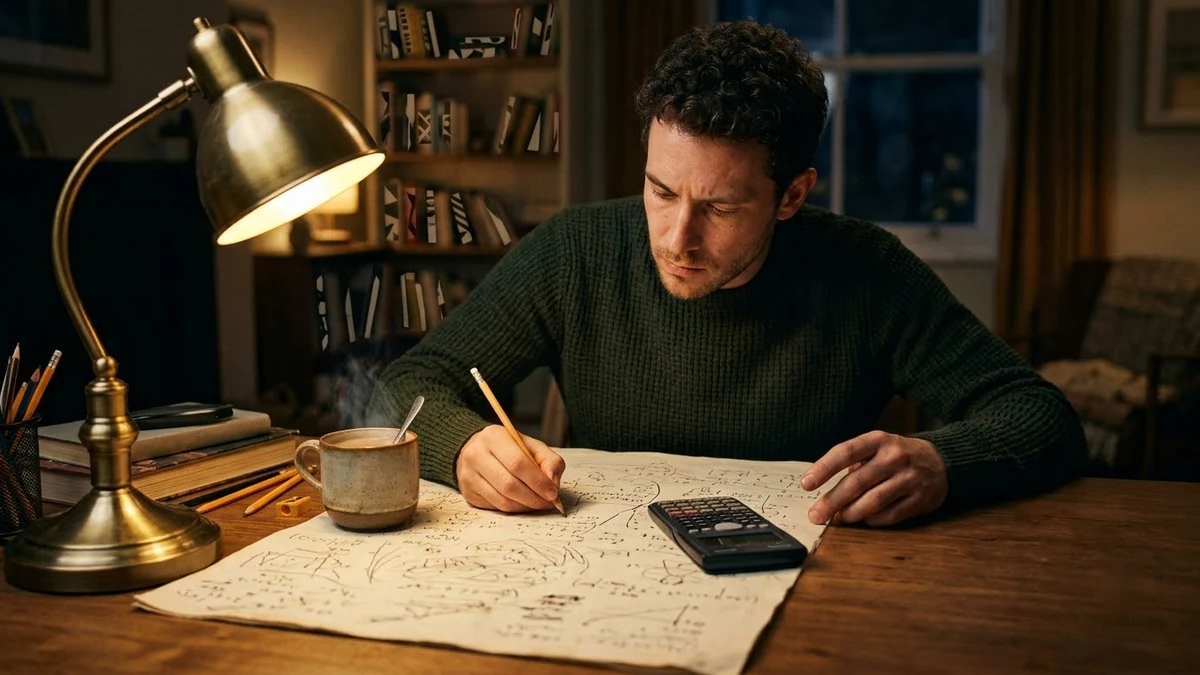 Solve a math problem step by stepChatGPT · Gemini · Claude
 Build a strong essay outlineChatGPT · Gemini · Claude
 Sharpen your thesis statementChatGPT · Gemini · Claude
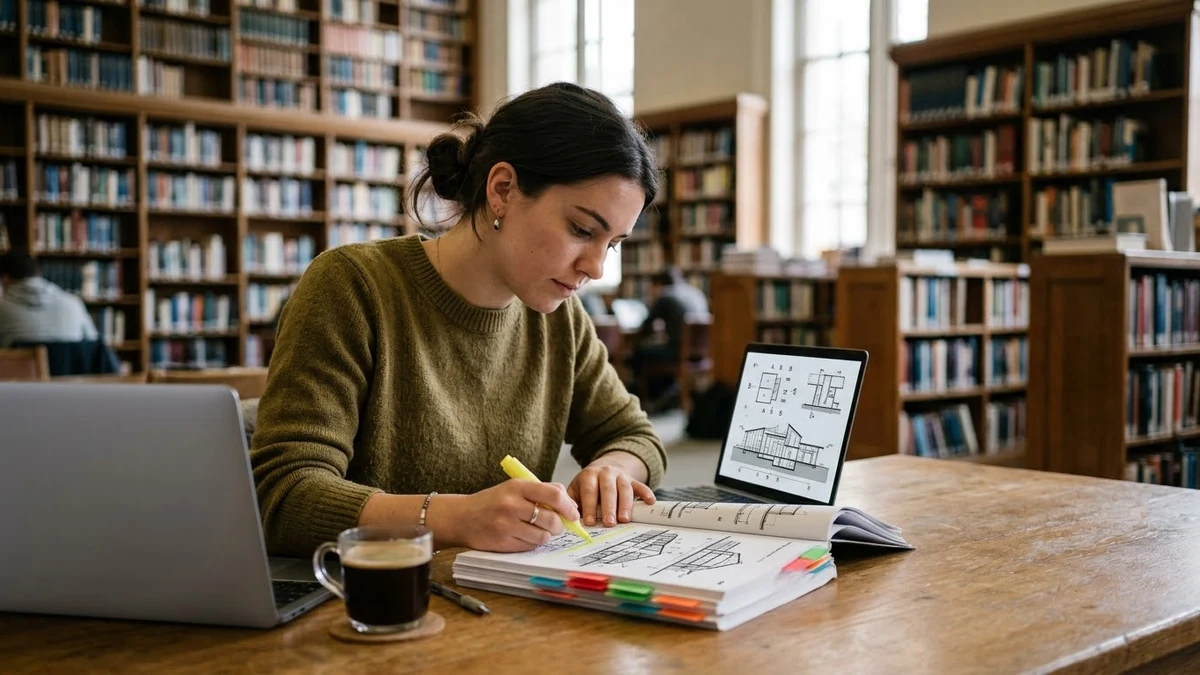 Summarise a research paperChatGPT · Gemini · Claude
 Outline a literature reviewChatGPT · Gemini · Claude
 Format references in APA, MLA or HarvardChatGPT · Gemini · Claude
 Structure a lab reportChatGPT · Gemini · Claude
 Beat procrastination before examsChatGPT · Gemini · Claude
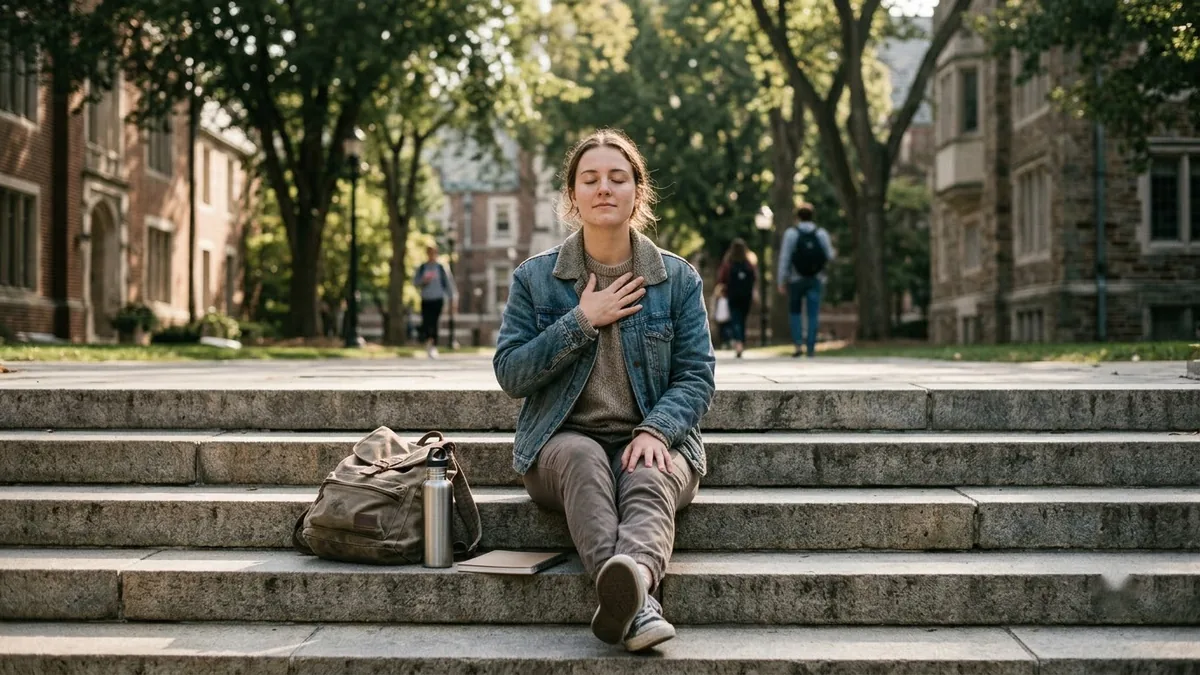 Manage exam anxietyChatGPT · Gemini · Claude
 Write a scholarship personal statementChatGPT · Gemini · Claude
 Structure a statement of purposeChatGPT · Gemini · Claude
No prompts match that search. Build your own in the builder →
1 more prompt without a picture yet
- Explain any complex topic simplyChatGPT · Gemini · Claude
How to study with AI without handing your thinking over
Used well, AI is a patient tutor. It can explain a topic three different ways, quiz you until you stop guessing, turn a heap of notes into flashcards and help you plan the weeks before an exam. Used badly, it writes your answers and teaches you nothing. The prompts here lean towards the first kind of use: they ask you questions, make you explain things back and plan your time.
They are most helpful when they know your real course. Paste your syllabus, your lecture notes, the assignment brief or the marking rubric, and the answers will match what you are actually assessed on.
How to use these prompts
- 1
Collect what you need: the syllabus or topic list, your notes, the exam date and how many hours you can study each week.
- 2
Use a planning prompt first, so you know what to study and when. Then use the explain, quiz and flashcard prompts topic by topic.
- 3
Try to answer before you read the AI’s answer. Active recall is what makes the learning stick.
- 4
Check facts, formulas and dates against your textbook or class notes before you rely on them in an exam.
Get better results
- Explain it back. The Feynman prompt has you teach the idea in your own words, and the Socratic tutor asks you questions instead of giving answers. Gaps show up quickly.
- Space your revision. Return to the same topic after a day, a few days and a week. The spaced repetition prompt sets this up.
- Practise with past papers. Paste a past question and answer it on paper first, then ask for feedback on your answer.
- Plan the last week. Use the assignment planner to break a big task into small ones with dates.
- Look after the mental side. The motivation coach and exam anxiety prompts help when worry or low energy gets in the way, because tired revision does not stick.
If the answer is not right
- The AI gets a fact or a calculation wrong. Cross-check with your textbook. For maths, ask it to show every step and check each one.
- The summary leaves out what your lecturer stressed. Paste the lecture slides or learning outcomes and ask it to cover those points.
- The essay outline feels generic. Add your own argument first, even a rough one, and ask the AI to challenge it.
- You are tempted to copy the answer. Ask for hints instead of solutions, for example “give me one hint, not the answer”.
Check your school or university policy on AI use. Submitting AI-written work as your own can break academic rules, and you remain responsible for what you hand in.
Guides for ai
Questions, answered
Is it cheating to use AI for studying?
Using AI to explain topics, quiz you and plan revision is like using a tutor. Submitting AI-written answers as your own work usually breaks academic rules. Check your school or university policy.
Can AI make flashcards from my notes?
Yes. Paste your notes into the flashcard prompt and it returns question-and-answer cards you can copy into Anki, Quizlet or a notebook.
Can I trust AI answers for exams?
Mostly for well-known topics, but AI can still be wrong. Check facts, formulas and dates against your textbook or class notes, especially for anything you will be marked on.
Need something that isn’t here?
Describe it in one line and get a AI prompt built for you.
Explore more prompts
- Photo editing prompts
- Image generation prompts
- Video generation prompts
- Chat & writing prompts
- ChatGPT prompts
- Gemini prompts
- Veo prompts
- Midjourney prompts
- Higgsfield prompts
- Claude prompts
- Kling prompts
- Ideogram prompts
- Claude Code prompts
- Seedance prompts
- Stable Diffusion prompts
- Cursor prompts
- 1980s retro photo prompts for Gemini & ChatGPT
- Viral AI photo trend prompts
- Old photo restoration and enhancement prompts
- AI prompts for your job search
- AI product photo and ad prompts
- AI prompts for content creators
- AI coding prompts you can copy and paste
- AI marketing prompts you can copy and paste
- AI travel planning prompts
- AI prompts for small business owners
- AI workout and meal plan prompts
- AI productivity and planning prompts
- Viral AI video effect prompts for Reels
- AI portrait and headshot prompts
- AI couple photo prompts
- AI profile picture prompts
- Black-and-white photo prompts
- AI photo enhancer prompts
- Remove objects and people from photos with AI
- Change photo background prompts
- AI photo filter and colour grade prompts
- Sky replacement and weather effect prompts
- AI saree photo prompts
- Indian wedding photo prompts
- AI festival photo prompts
- Cinematic portrait prompts
- Vintage photo prompts by decade
- Photo to cartoon and anime prompts
- Photo to painting and sketch prompts
- AI pet photo prompts
- Baby and family photo prompts
- AI Instagram photo prompts
- AI room makeover and interior design prompts
- AI real estate and rental listing photo prompts
- AI mockup prompts for your designs
- AI food photo prompts for restaurants and home cooks
- AI virtual try-on prompts
- How to write AI prompts