Bringing home a new puppy or kitten? These AI prompts help you plan it
Published
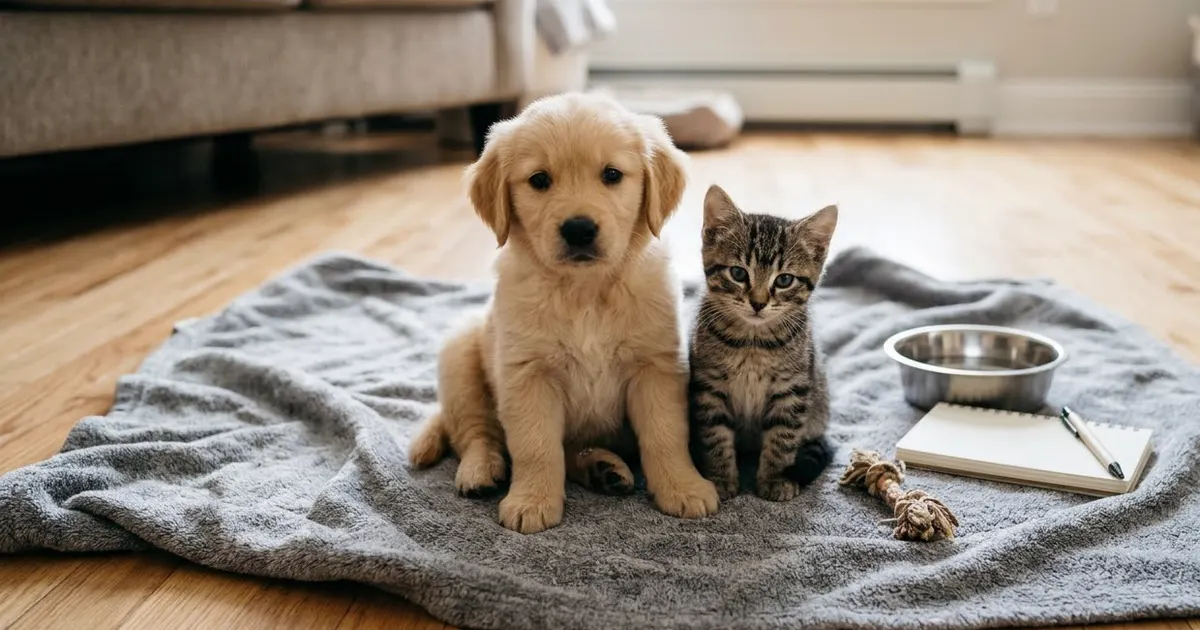
Short answerPaste your pet's age, breed and home setup into an AI chatbot and ask for a day-by-day training plan or a room-by-room safety checklist. Naming your specific situation, not just "puppy tips", is what makes the answer useful.
Full collectionAI pet photo prompts10 prompts with examples, steps and fixes →A new puppy or kitten arrives with a lot of advice attached, and most of it is generic. "Crate train your dog" or "kitten-proof your home" doesn't tell you what to do on day one with your actual animal, in your actual flat or house. A chatbot is good at turning general advice into a specific plan, as long as you give it the details.
This guide has prompts for the two biggest jobs in the first few weeks: training and home setup, plus a quick one for the worst-case scenario.
Start with a day-by-day training plan, not a list of tips
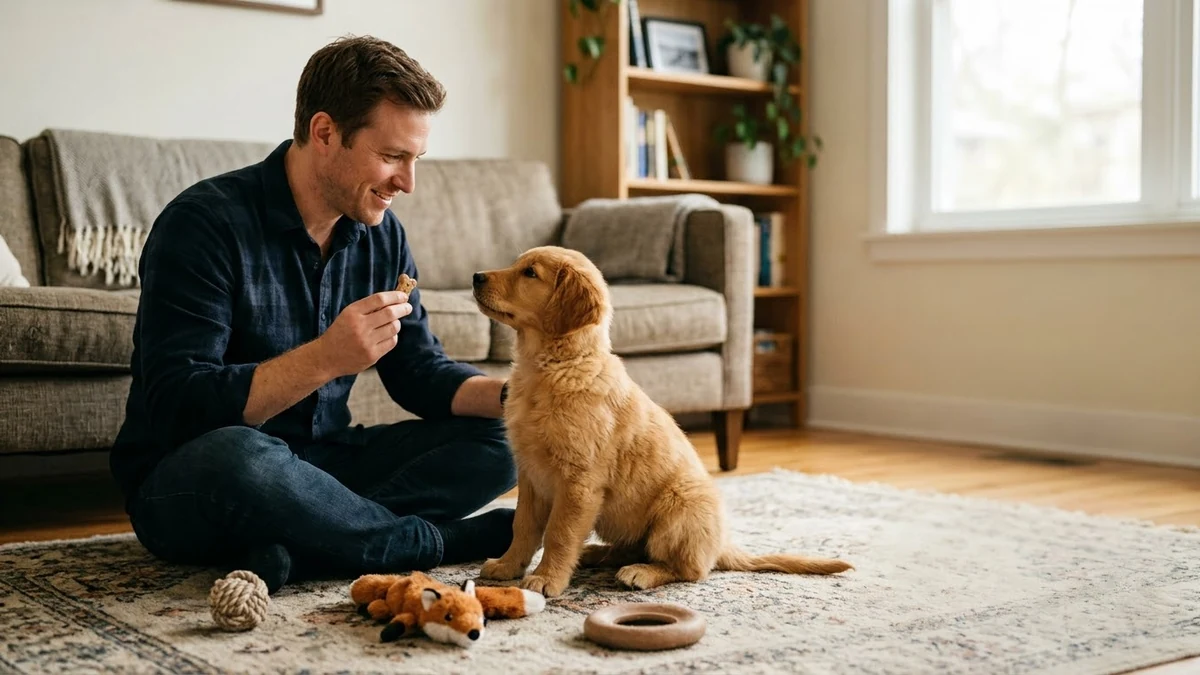
Most puppy advice online is a long list: crate training, toilet training, socialisation, basic commands. It's correct, but it doesn't tell you what to actually do today, or in what order. A chatbot can turn that list into a short-term plan if you give it the facts about your puppy.
Use the puppy training plan prompt:
I have a [BREED] puppy, [AGE], at home for [NUMBER] days so far.
Home: [FLAT/HOUSE, with/without a garden].
Household: [WHO ELSE IS HOME, AND WHEN].
Current behaviour: [E.G. "toilets indoors sometimes", "nips when excited", "cries at night"].

Give me a 2-week plan that covers toilet training, basic commands, and settling in alone, in that order of priority. For each item, say what to do, how often, and one sign that it's working. Keep each day's tasks to under 15 minutes.
The details that matter most are the breed (energy levels and common issues vary a lot), the home layout, and who is around during the day. A studio flat with one person working from home needs a different plan to a house with a garden and two kids.
If you'd rather not write this from scratch, the PromptUp prompt builder will ask you these questions and build the prompt for you.
A kitten or cat checklist you can actually follow
Cats need less active training than dogs, but the first days matter more than people expect: a kitten exploring a new home can get into dangerous places, and an adult cat moving in needs time before it's safe to let outside.
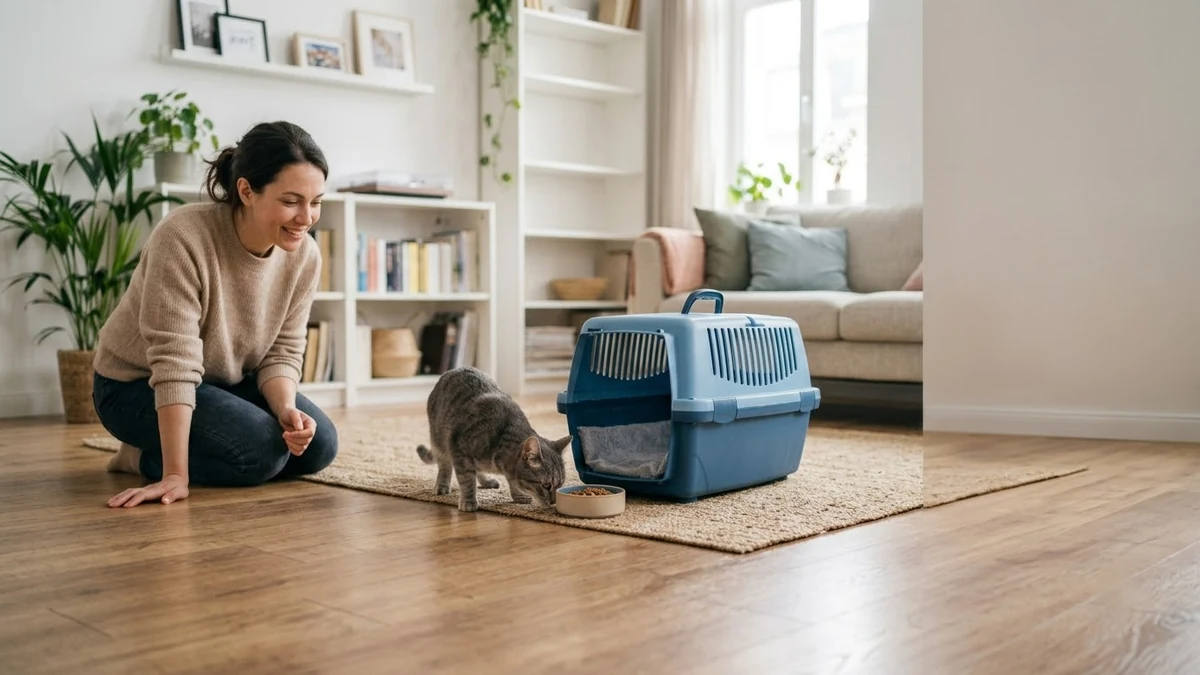
The new cat home checklist prompt turns your situation into a room-by-room list instead of a generic one:
I'm bringing home a [KITTEN/ADULT CAT], [AGE], into a [FLAT/HOUSE].
Other pets at home: [NONE / DOG / OTHER CAT].
Rooms it will have access to at first: [LIST ROOMS].

Give me:
1. A safety check for each room (what to move, cover or close off).
2. A short list of what to buy before it arrives, if I haven't already.
3. How to introduce it to [OTHER PETS, IF ANY] over the first week, step by step.
4. How long to wait before letting it outside, and what to check first.
If you already have another pet, say so, and ask the follow-up question: "What are three signs the introduction is going badly, and what should I do if I see them?" That's more useful than a generic "introduce them slowly" line.
Questions to ask before you choose a vet
This is also a good moment to get your paperwork and health plan sorted, before anything goes wrong. Ask:
I'm choosing a vet for a new [PUPPY/KITTEN]. List the questions I should ask a vet practice before registering, covering: vaccination schedule, microchipping, neutering timing, emergency out-of-hours cover, and typical first-year costs. Keep it to one question per line, so I can read it out over the phone.
Keep the answer somewhere you'll find it again, such as a notes app, rather than only in the chat.
If your pet goes missing
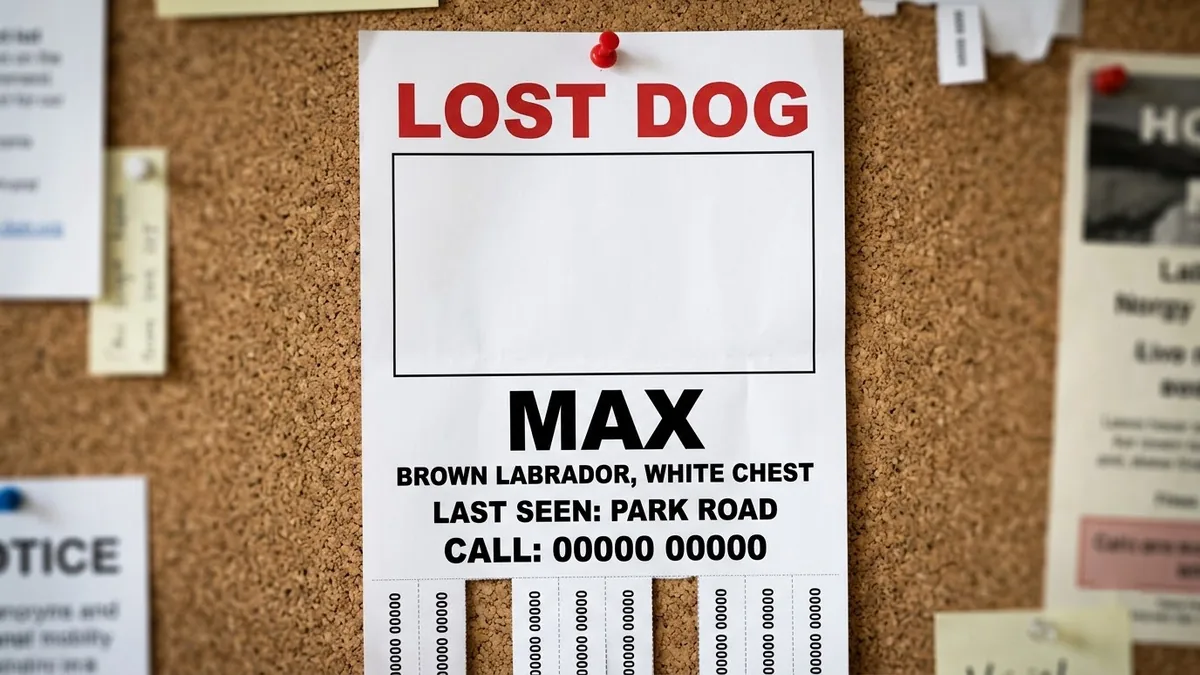
Hopefully you'll never need this, but it's worth having ready rather than writing it in a panic. A clear flyer gets shared faster than a long, worried post. The lost pet flyer prompt makes one from a recent photo:
Design a lost pet flyer using this photo. Include space for: pet's name, breed, colour, where last seen, date, and a phone number placeholder. Bold, easy to read from a distance, with the photo as the main focus.
Fill in your own details afterwards, and keep a template ready rather than starting from nothing if the day comes.
Once your pet has settled in
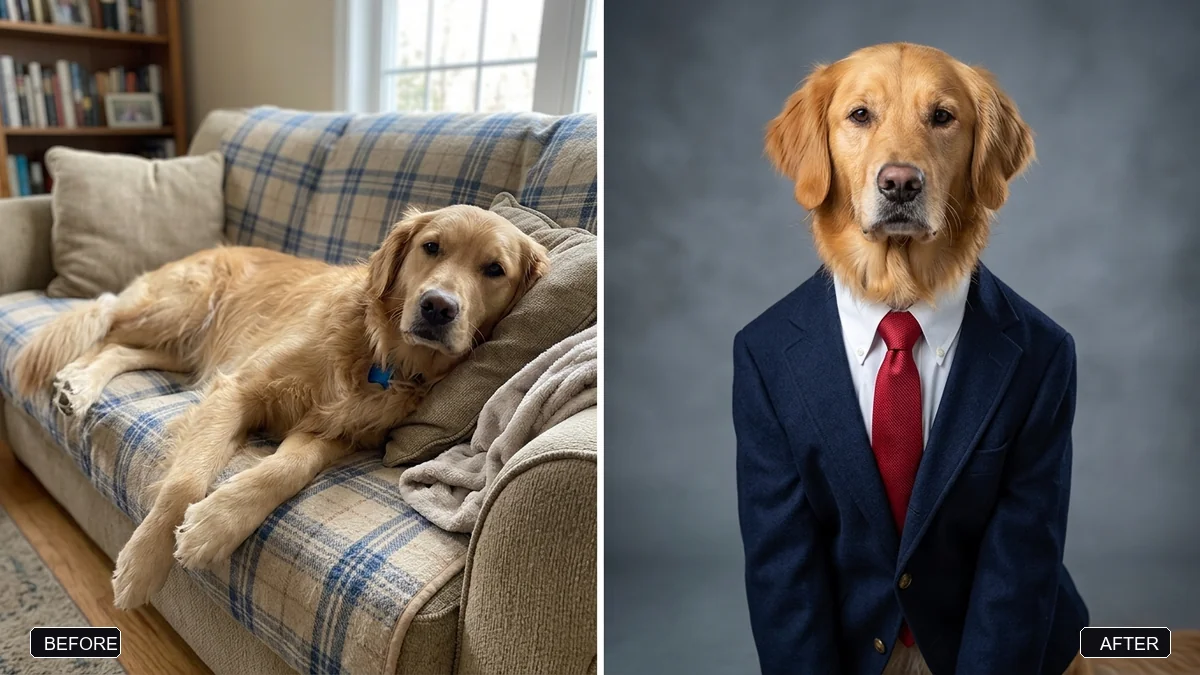
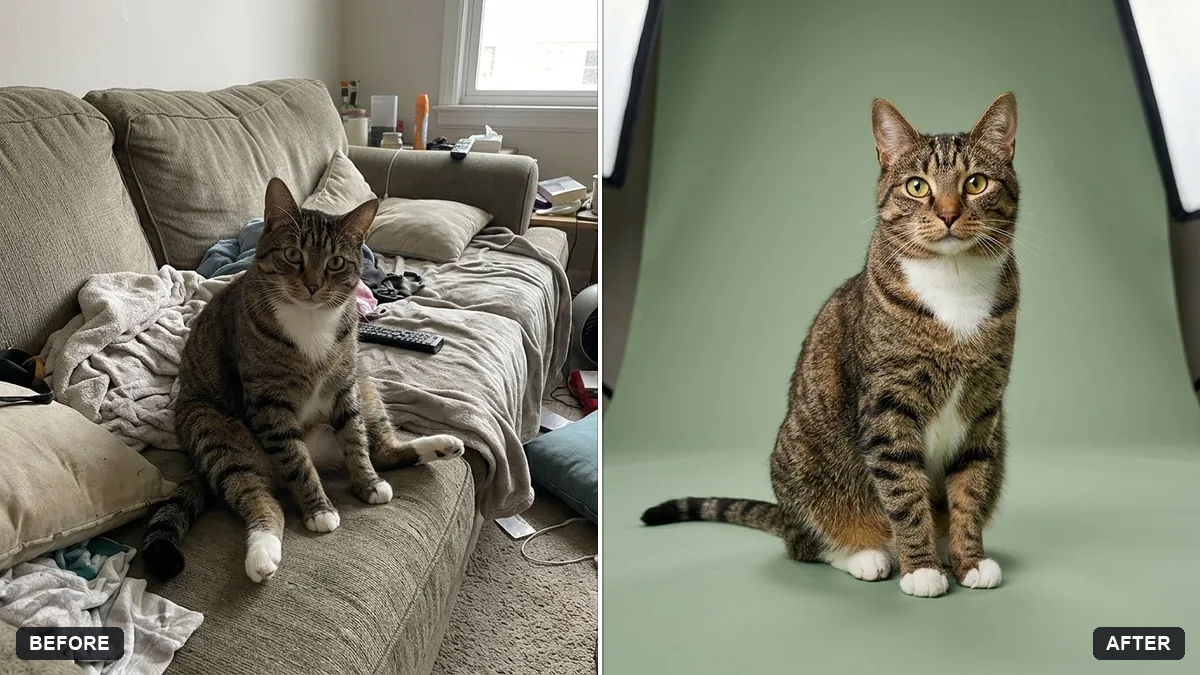
Training and safety come first, but the photos come naturally after that. A corporate headshot for your pet or a studio backdrop portrait are popular ways to mark the first few weeks, once your puppy or kitten is calm enough to sit for one.
Fixing a bad answer
Too generic. If the plan reads like a blog post rather than advice for your pet, add more specifics: breed, age in weeks, home layout, and what you've already tried.
Too much at once. If the plan lists ten things to start on day one, ask it to cut the list to the three most important things for this week, and park the rest.
Doesn't match your schedule. If you work full days, say so and ask for a plan that fits around being out of the house, rather than one that assumes you're home all day.
Where to go from here
Once the training basics are sorted, the AI pet photo prompts guide has ideas for your pet's first proper photoshoot, and the pet photo prompts collection has dozens more to try. The prompt builder can also turn any of the prompts above into one written for your exact pet and home.
Quick checklist
- Give the chatbot your pet's breed, age, home layout and household, not just "I got a puppy".
- Ask for a short plan in priority order, not a long list of general tips.
- Get vet questions sorted in the first week, before an emergency forces the issue.
- Keep a lost-pet flyer template ready, just in case.
- Save any checklist somewhere outside the chat so you can find it again.
Prompts to try
More prompts on this topic
- Make your pet photo moveHiggsfield · Kling
- Royal portrait of your petGemini · ChatGPT
- Sharpen a blurry pet action shotGemini · ChatGPT
- Make your pet photo come aliveKling · Veo · Seedance
- Dress your pet for the holidaysGemini · ChatGPT
- Fix glowing eyes in pet flash photosGemini · ChatGPT
Comments
No comments yet. Be the first to share what worked for you.