Dev Diwali and Tulsi Vivah 2026: AI photo prompts for the last lights of the season
Published
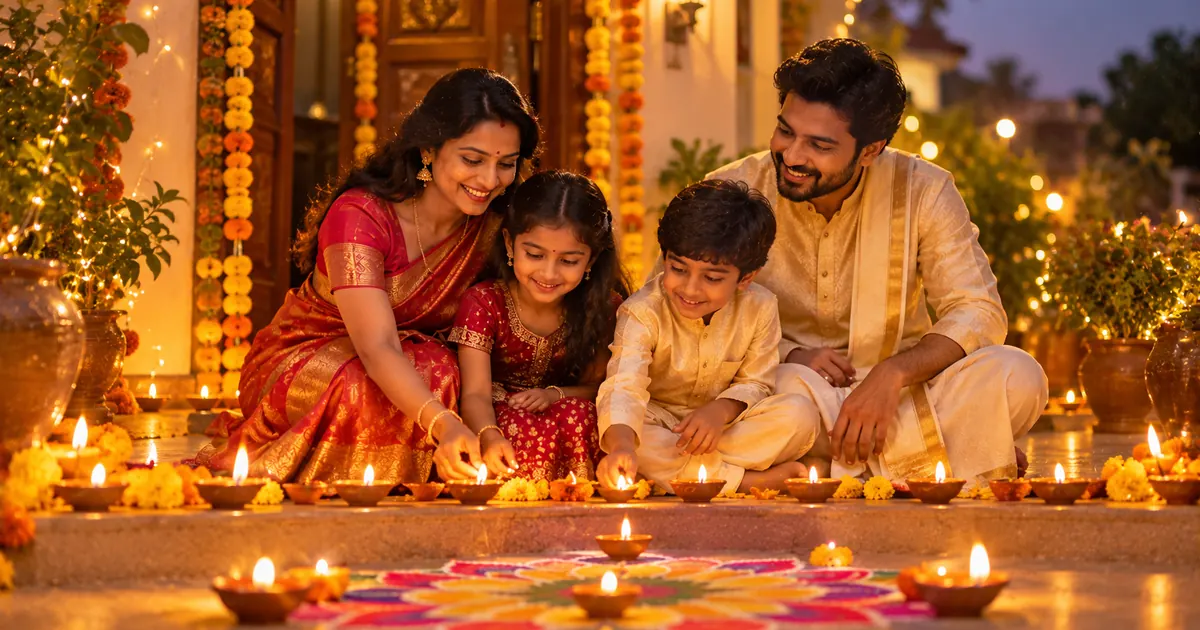
Short answerTulsi Vivah falls around 21 November 2026 and Dev Diwali, the "Diwali of the gods" marked on Kartik Purnima, falls around 24 November. Both are about light and devotion rather than fireworks, so the best AI photos lean on diyas, the decorated tulsi plant and warm temple or riverside settings.
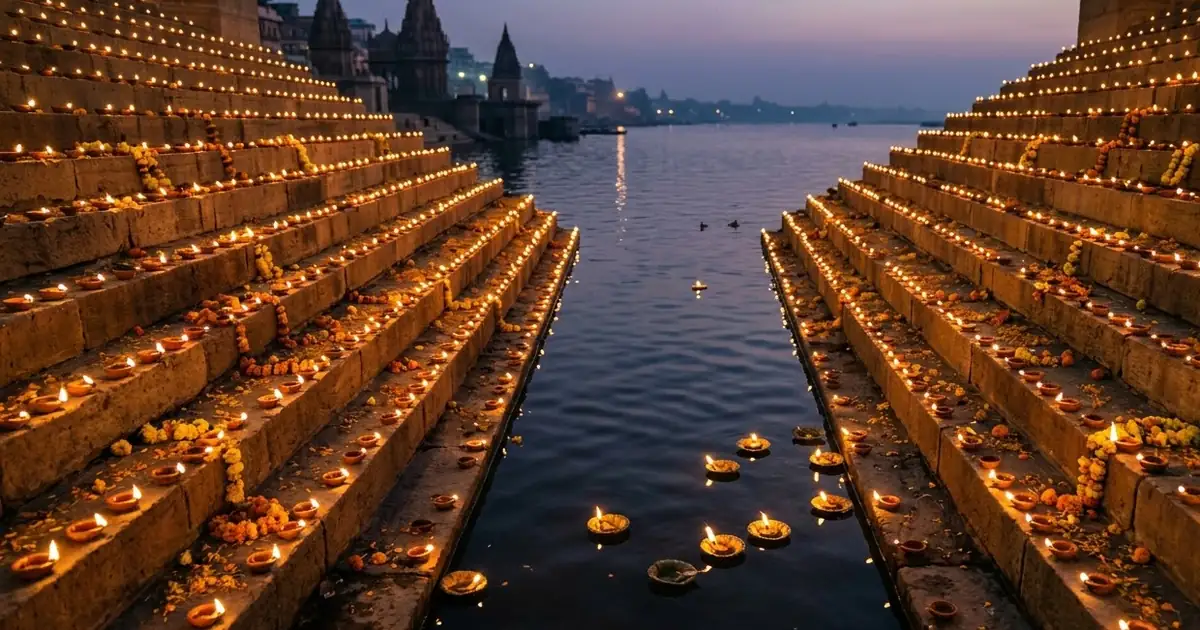
The main Diwali lights get all the attention, but two quieter festivals close out the season a couple of weeks later. Tulsi Vivah, the ceremonial wedding of the tulsi plant to Lord Vishnu, falls around 21 November 2026, give or take a day depending on the panchang you follow. Dev Diwali, also called Dev Deepawali, falls on Kartik Purnima and is expected around 24 November 2026. It's best known for Varanasi's ghats, where thousands of diyas are lit along the river.
Neither festival is about fireworks or sweets the way the main Diwali is. Both are about light, devotion and a calmer kind of beauty, which makes them a good match for AI photos built around diyas, marigolds and warm lamplight rather than crowds or loud colour. Dates shift with the lunar calendar, so check a local panchang for your city before you plan around them.
1. A Tulsi Vivah portrait at home
Tulsi Vivah is usually celebrated in the courtyard or balcony, around a tulsi plant decorated like a bride.
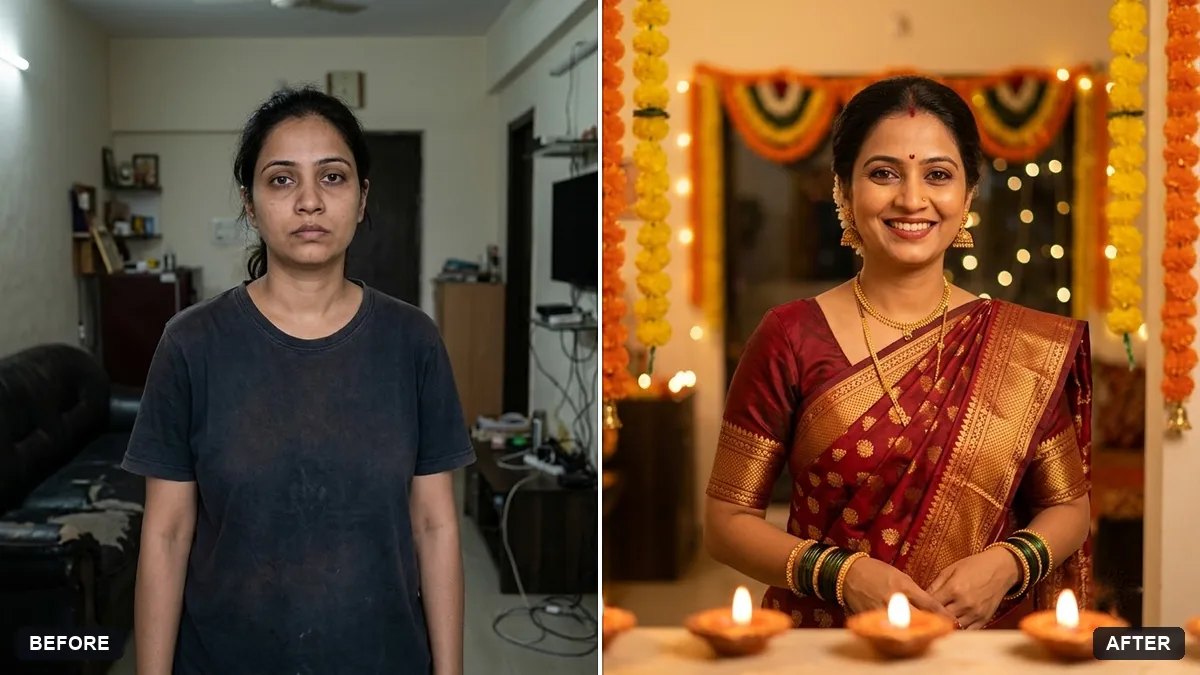
Keep my face exactly as it is in the photo. Create a Tulsi Vivah portrait: standing beside a tulsi plant decorated with a small red cloth, marigold garlands and tiny clay diyas around its base, holding a brass thali with a lit lamp, roli and rice. Warm evening light, traditional clothes in deep red or yellow. Realistic photo, natural skin texture. No text.
Start with a clear, well-lit photo of your face. If you're decorating a real tulsi plant at home, take a photo of it first and describe it in the [SUBJECT] detail instead of leaving it generic, since a real reference gets a more convincing result than a guess.
2. Diyas along a riverside, for the Dev Diwali feel
You don't need to be in Varanasi to get the look. This prompt builds the scene from a description:
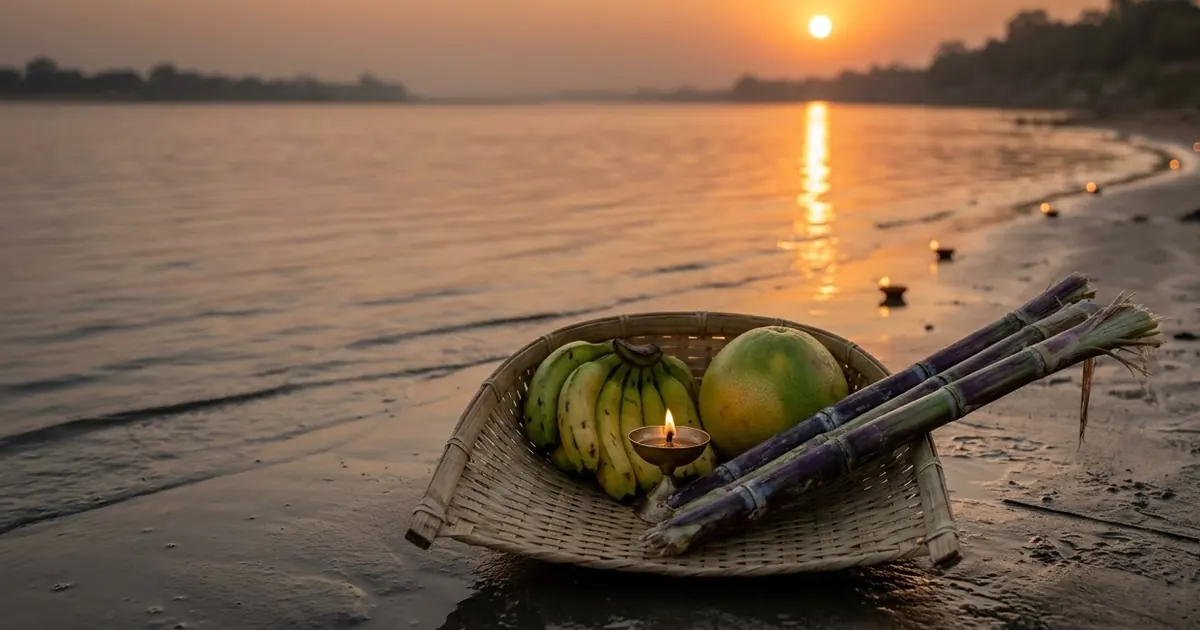
Rows of hundreds of small clay diyas lit along stone steps beside a wide river at dusk, reflections glowing on the dark water, a few boats drifting past with more lamps on board, distant temple spires silhouetted against a deep orange and purple sky. Wide shot, no people in focus, realistic photography, warm golden light.
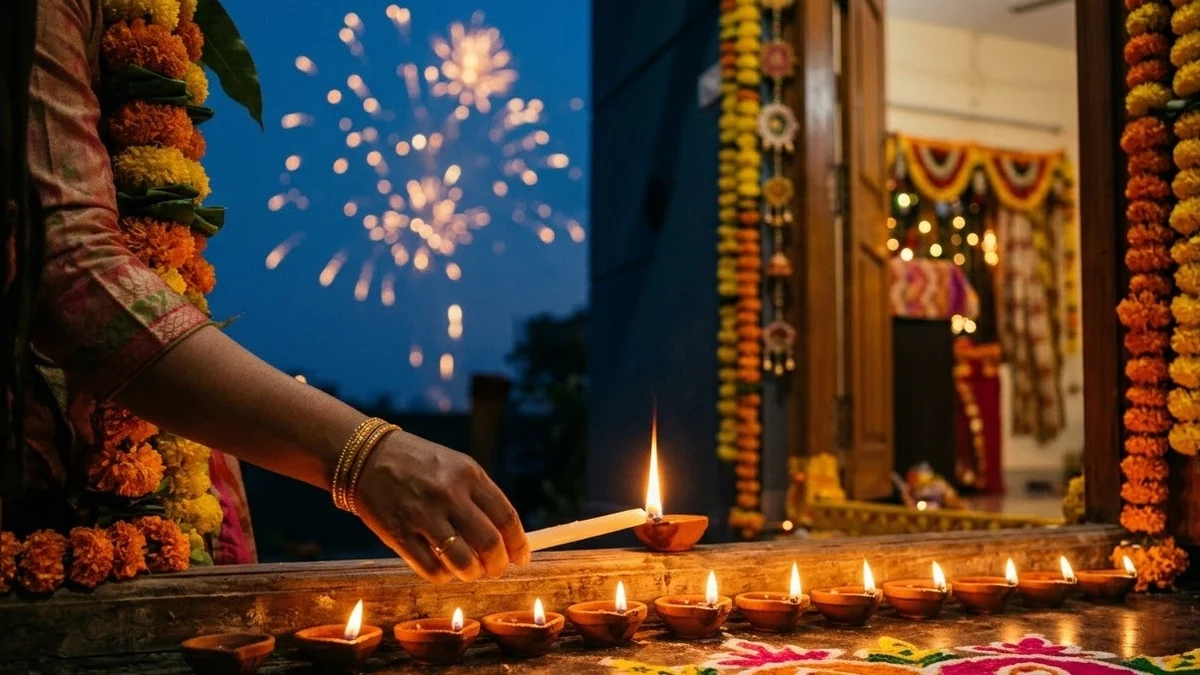
Our diya lighting prompt does the same idea as a short video: hands lighting rows of lamps one by one, which works well for a Dev Diwali greeting even if you're nowhere near a river.
3. Yourself at the ghats, composited in
If you have a solo or family photo and want to place yourselves into that riverside scene:
Using this photo, place us standing at the edge of a stone ghat at dusk, with rows of lit clay diyas along the steps behind us and warm reflections on the river. Keep our faces, outfits and poses exactly as in the original photo. Match the warm evening light on us so it looks like one real photograph, not a cut-out.
The "match the light on us" line is what stops the join looking obvious. If the result looks pasted on, ask again and add "soften the edge where we meet the background."
4. A potter's hands shaping the diyas
A quieter, more personal angle: the lamps themselves, before they're lit.
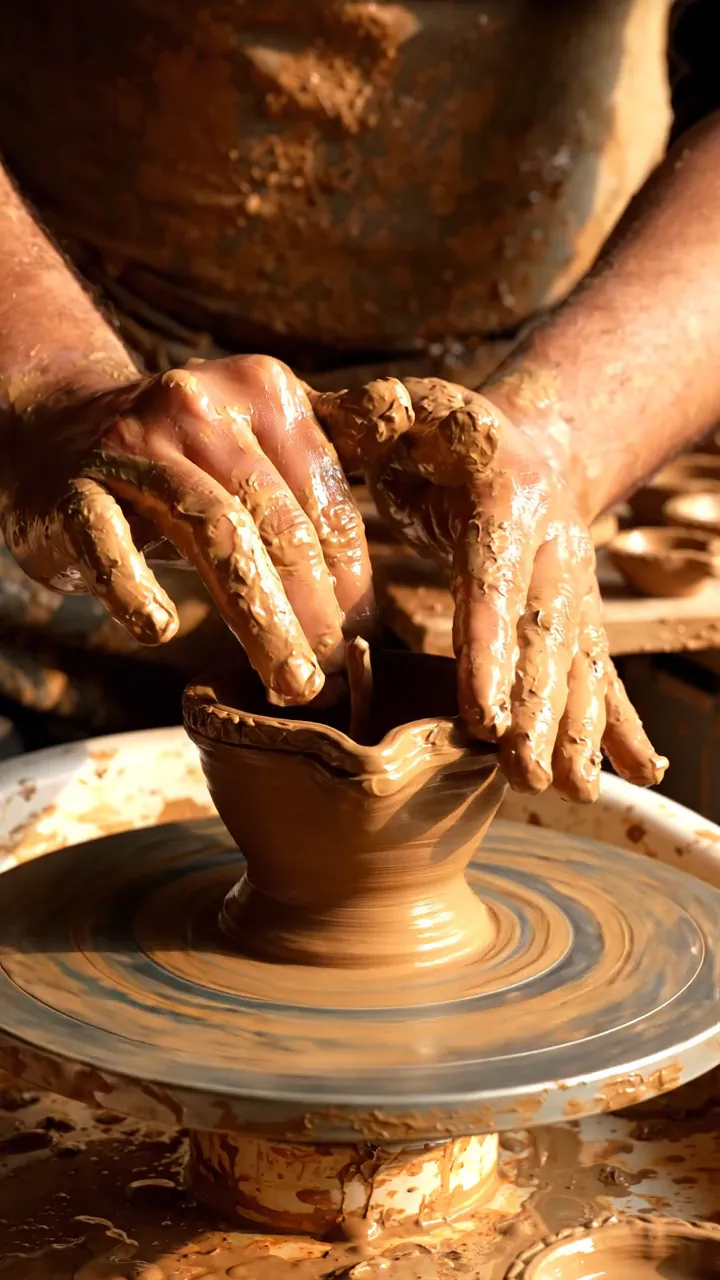
Close-up, warm light. A potter's hands shaping a small clay diya on a spinning wheel, wet clay rising into a simple cup shape with a pinched lip for the wick. Rows of finished diyas drying nearby. Soft natural light, shallow depth of field, documentary photography style.
This pairs well with the potter shaping a diya video prompt if you want a short clip rather than a still.
5. A balcony lantern for the last night of the season
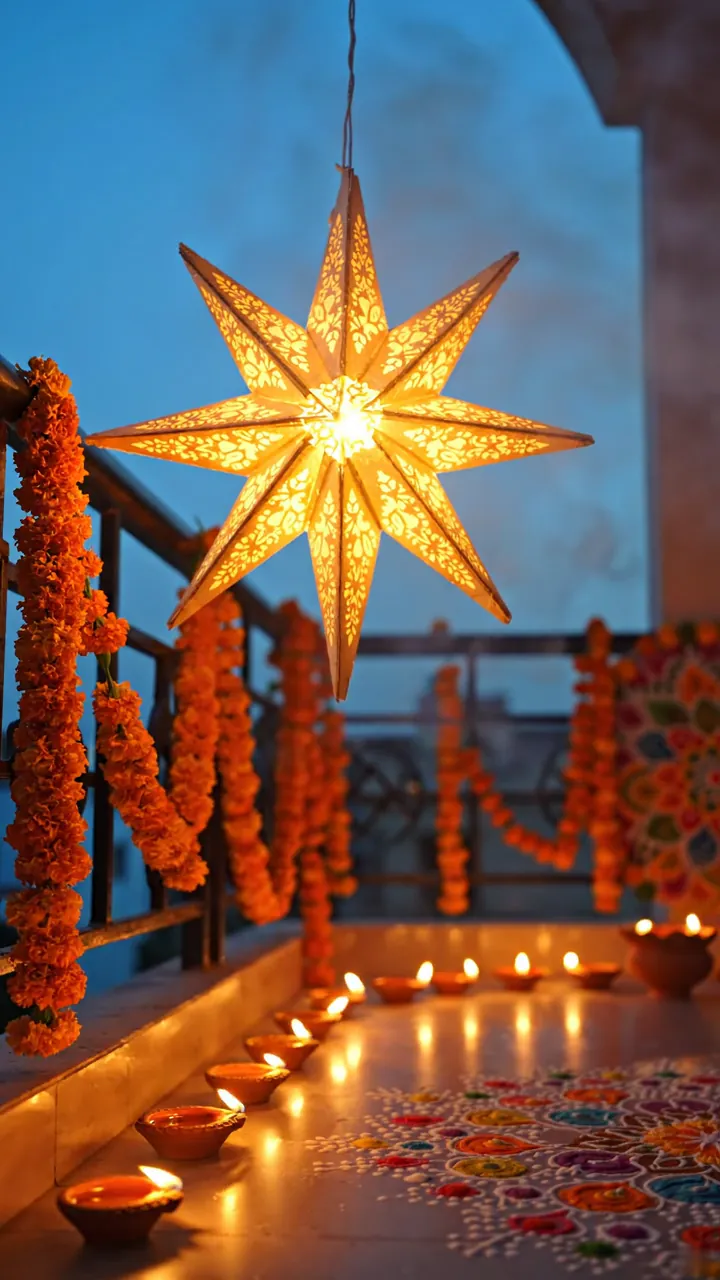
Many homes keep a star-shaped akash kandil lantern lit through this whole stretch, from Diwali to Dev Diwali.
A home balcony at dusk with a large star-shaped paper lantern (akash kandil) glowing warm gold against the evening sky, a few marigold garlands on the railing, string lights softly out of focus in the background. Realistic photo, cosy mood, vertical frame.
Our balcony lantern video prompt animates this same scene with a gentle glow and movement, good for a WhatsApp status on the night itself.
A note on temple and ghat scenes
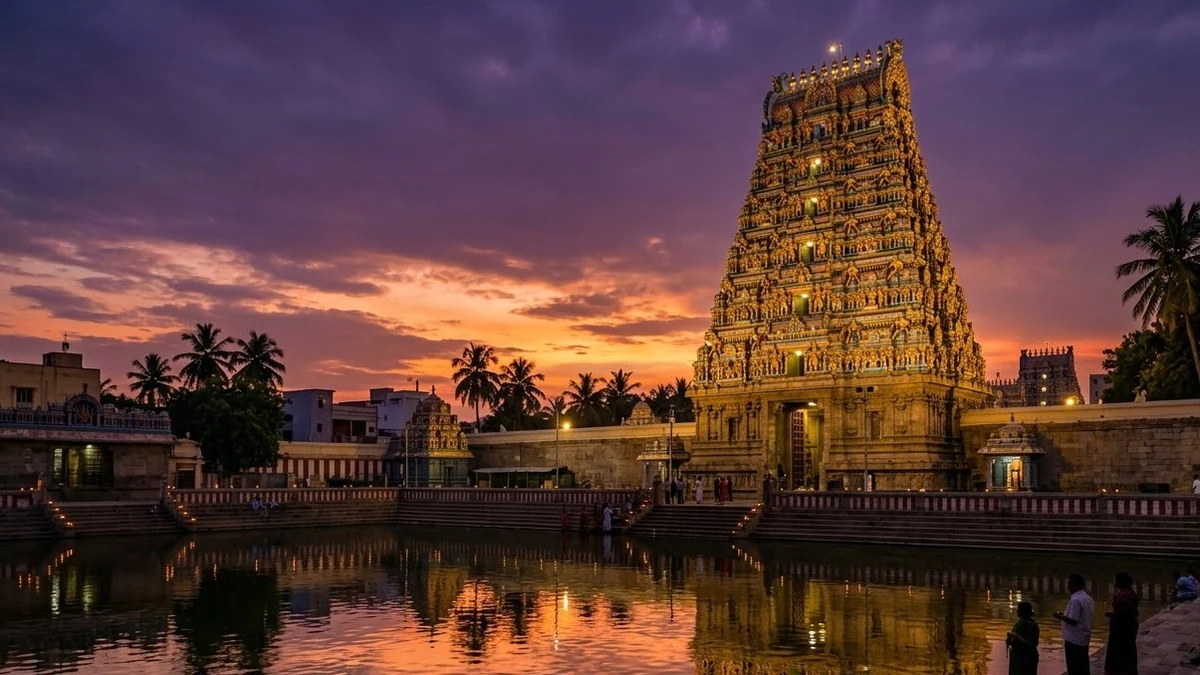
If you want a grander backdrop than a plain riverside, naming an actual architectural style helps: a South Indian gopuram, a North Indian shikhara, or a ghat with stone steps all read very differently to an AI model. Our temple gopuram at dusk prompt shows how naming the structure, the light and the sky together gives a specific, convincing result instead of a generic "temple".
Where to go from here
For the main festival nights earlier in the season, see our Diwali AI photo prompts and Bhai Dooj AI photo prompts. All of these ideas sit in the festival photo prompts collection, and the prompt builder can adapt any of them to your own photo or setting.
Quick checklist
- Tulsi Vivah: around 21 November 2026. Dev Diwali (Kartik Purnima): around 24 November 2026. Confirm with a local panchang.
- Lean on diyas, marigolds and warm lamplight rather than fireworks or crowds.
- Use a real photo of your tulsi plant or lantern as a reference where you can.
- Say "match the light" whenever you're combining a real photo with a generated scene.
- Name the architectural style (gopuram, ghat, shikhara) instead of just "temple" for a sharper result.
Prompts to try
More prompts on this topic
- Fireworks behind you video promptHiggsfield · Kling · Veo
- Diwali family diyas in home-video styleVeo
- Animate a Diwali photo with glowing lightsHiggsfield · Kling
- Lantern festival at nightVeo · Kling · Seedance
- Diwali family portraitGemini · ChatGPT
Comments
No comments yet. Be the first to share what worked for you.