The "Netflix documentary" trend, made with AI prompts
Published
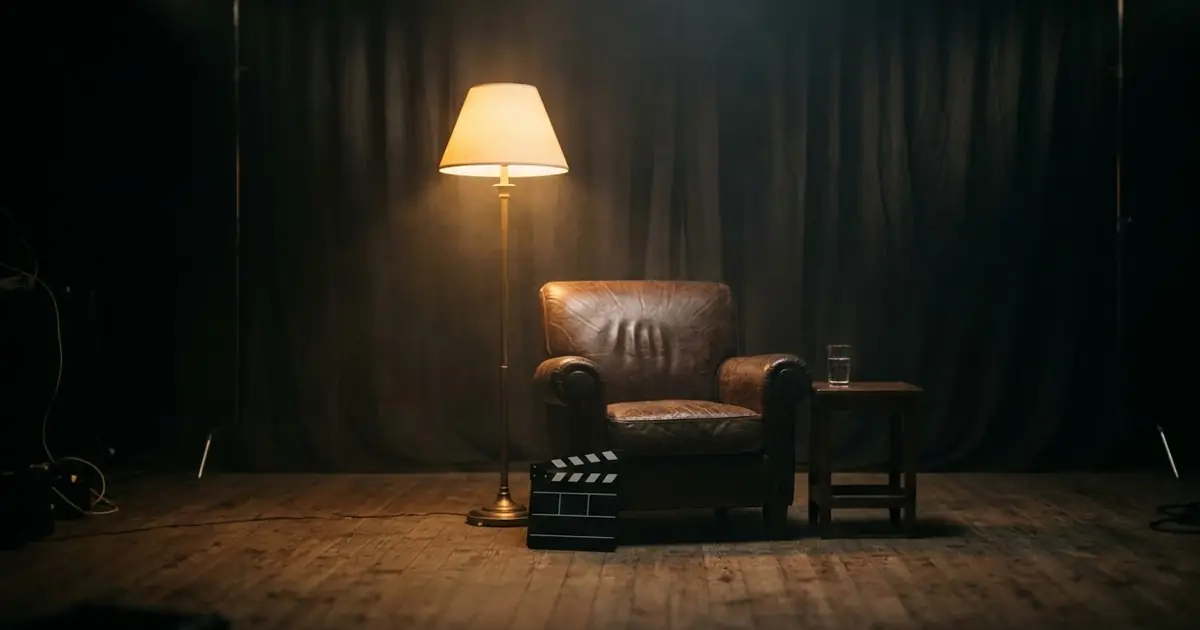
Short answerSit yourself in a dim room, deliver one dramatic line about something ordinary, and ask for a moody key light, a slow push-in and a serious colour grade. The line should be small; the treatment should be huge.
There's a joke format that's been running on TikTok and Instagram Reels since the middle of 2026: treat an ordinary moment from your life, like a parking ticket or a bad haircut, with the full seriousness of a Netflix true-crime documentary. A dramatic pause. A moody light. A one-line confession, delivered like it's the twist of the year (Netflix Junkie).
Most versions of this are filmed by a real person sitting in front of their own phone. But the whole look, the chair, the lamp, the grade, the clapperboard snap, can also be generated from a prompt, which means you don't need the lighting setup or the editing software to get the joke across.
The documentary interview look
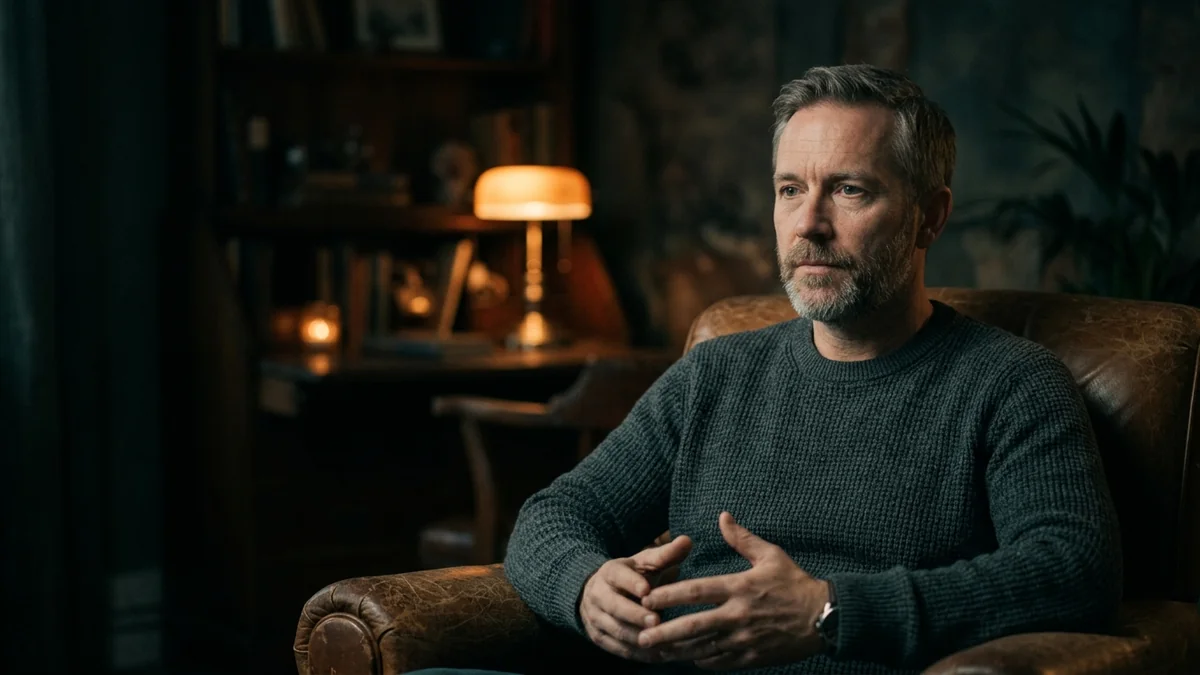
The format has a handful of recognisable ingredients:
- A single subject, sitting still, usually in a chair.
- A dim room with one visible light source.
- A slow, almost imperceptible push-in on the face.
- A serious, slightly cold colour grade, like a true-crime series.
- One short, deadpan line that doesn't match the seriousness of the setup.
The core prompt
Use the documentary interview prompt:
Documentary interview setup: [SUBJECT, e.g. me in a grey sweater] sits down in a leather chair in a dim, moody room. A clapperboard snaps in front of the camera, then I look just off-camera and say: "[LINE, e.g. Nobody believed I could finish that marathon.]"

Soft key light from one side, a dark background with a warm practical lamp, a slow push-in, shallow depth of field, and a serious true-crime colour grade.

Quiet room tone and a clear voice. 16:9, 8 seconds.
The joke lives entirely in the gap between the treatment and the line. Write the dialogue in quotes so the model lip-syncs it, and keep it under about twelve words so it fits the eight-second clip without feeling rushed.
Picking a line that lands
The best lines are specific and small. Vague ones ("something happened to me") don't land, because there's no real image for the viewer to picture.
| Flat | Specific |
|---|---|
| "Something went wrong that day." | "I told the whole office the Wi-Fi was broken. It wasn't." |
| "I made a mistake." | "I replied-all to the entire company by accident." |
| "It changed everything." | "My dog ate my passport two hours before the flight." |
A true story usually beats an invented one. The format works because the seriousness is fake, but the small disaster underneath it is real.
Add a cold open
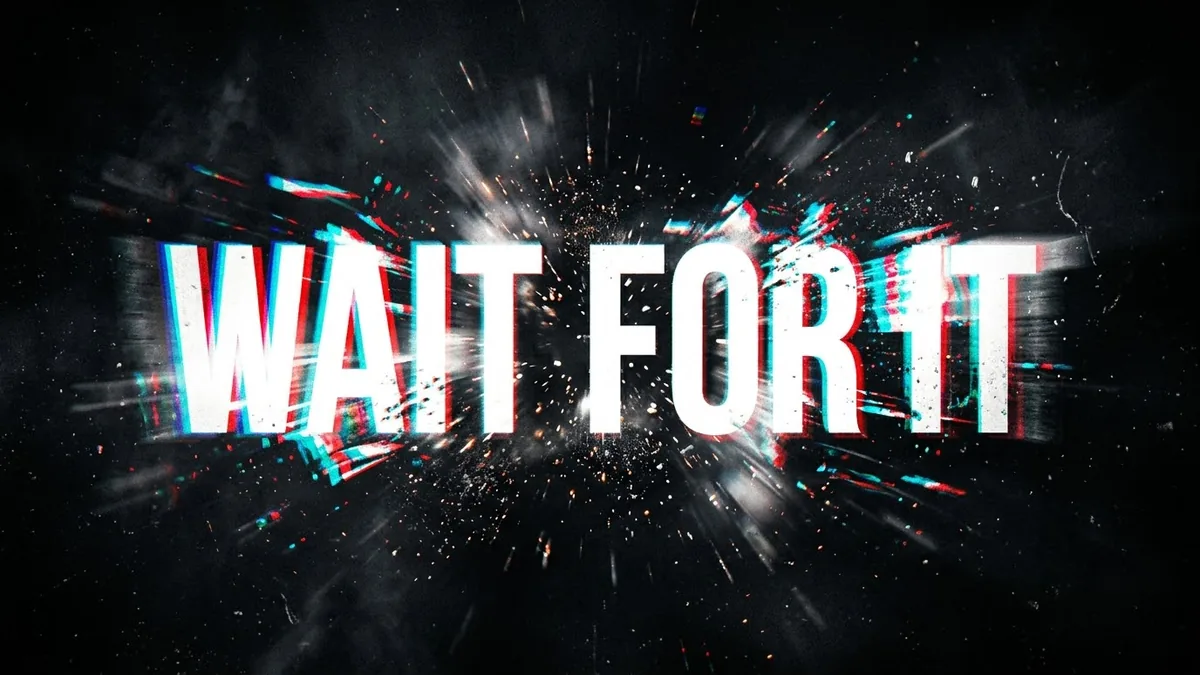
For a longer cut, open on a text hook before the interview starts. The text reveal hook prompt gives you a few seconds of bold on-screen text to set up the "case," followed by the interview clip itself:
Bold white kinetic text "[HOOK TEXT, e.g. THE WIFI INCIDENT]" slams onto a dark background with a quick zoom, glitch flickers and a subtle shake, small particles flying, a punchy sound effect, 3 seconds long, high-energy hook for short-form videos.
Cut straight from that into the interview clip. The contrast between the dramatic title card and the small confession is most of the joke.
A reaction-shot cutaway
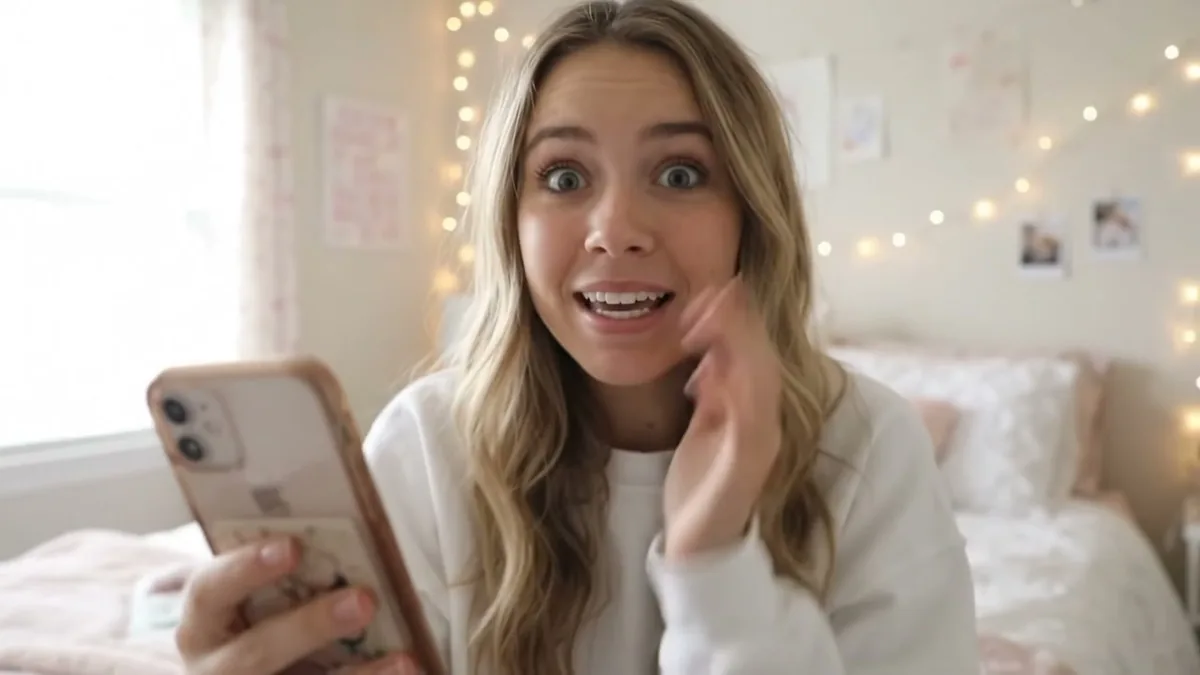
Documentaries cut away to reaction shots. The surprised reaction hook prompt makes a quick, separate clip of someone looking shocked at their phone, which works well edited in right after the "confession," as if a friend has just found out too.
Variations worth trying
- The investigation board. Describe a wall of photos and string behind you instead of a plain dark room, for a full conspiracy-board parody.
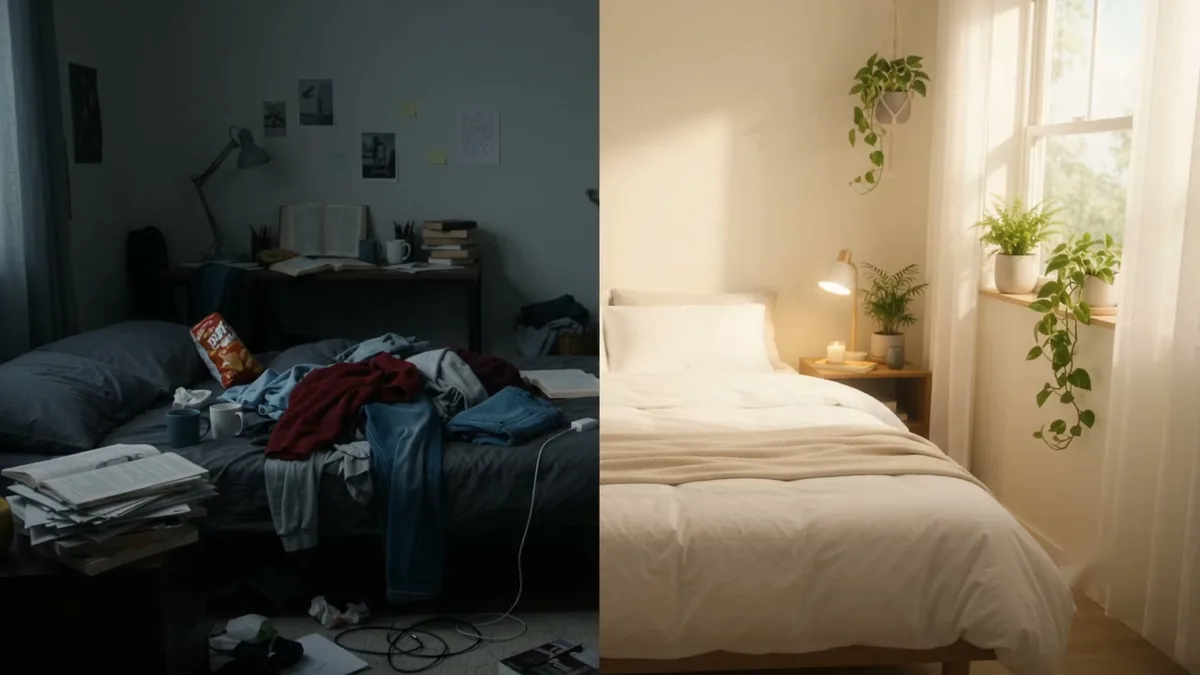
- The reveal. Use the before-and-after transformation prompt for a tidy-room reveal partway through, as if the "documentary" is about your cleaning habits rather than a crime.
- The group version. Write two or three separate clips with different people giving slightly different accounts of the same small event, cut together like dueling witness testimonies.
Fixing common problems
It looks too bright or cheerful. Add "cold colour grade, deep shadows, no warm tones except the one lamp" to push it further from a normal interview.
The line gets cut off. Shorten it. Eight seconds doesn't leave room for a full sentence with a setup and a punchline; pick the punchline only.
The push-in is too fast. Ask for "barely perceptible push-in over the full clip" rather than just "push-in."
It looks like a real news interview, not a parody. Push the seriousness further: deeper shadows, a slower pace, and a more dramatic pause before the line.
Where to go from here
For the fundamentals of writing any AI video prompt, see AI video prompts for beginners. More trend formats like this one live in the viral AI video effect prompts collection, and the prompt builder can swap in your own line and setting.
Quick checklist
- Put the spoken line in quotation marks and keep it under about twelve words.
- Pick a small, specific, true story rather than a vague one.
- Ask for one light source, deep shadows and a cold colour grade.
- Keep the camera move almost still: a slow push-in, nothing more.
- Add a text-hook cold open or a reaction cutaway if you're cutting a longer version.
Comments
No comments yet. Be the first to share what worked for you.