Gemini 4 Argon explained: Google's new top model, who can use it, and how to prompt it
Published

Short answerGemini 4 Argon is Google's most capable model so far, built for long coding jobs, professional work like legal and finance, and security testing. For now only Google's security partners can use it; Google AI Ultra subscribers and paid API users are next, with no date given. The prompting habits that suit it already work on the Gemini models you have today.
On 30 September 2026, Google released Gemini 4 Argon and called it its most powerful model yet (TechCrunch, CNBC). If you open the Gemini app today, though, you won't find it in the model picker. This guide explains what Argon is, why it isn't open to everyone yet, and how to write prompts that will suit it when it arrives, starting with the Gemini models you can already use.
What Gemini 4 Argon is
Google says Argon is a big step up in three areas:
- Real-world coding. Google says it set a new record on a software engineering benchmark built from real tasks.
- Cybersecurity. It tied for first place on a security benchmark.
- Professional work. It led a benchmark covering finance, legal and similar desk work.
Reports also describe a very long output limit, around a million tokens, which is useful for jobs like rewriting a large codebase or drafting a long report in one go (TechDogs). Treat that as a ceiling, not a target: most everyday prompts still work best when you ask for a short, specific answer.
Who can use it, and when
This is the part that confuses people. At launch, Argon went only to trusted security partners in Google's Fairwind Program, so they can use it to find and fix flaws in their own software first (AI Weekly).
| Who | Access today |
|---|---|
| Fairwind Program security partners | Yes |
| Paid API customers | Next in line, no date announced |
| Google AI Ultra subscribers | Next in line, before other consumer plans, no date announced |
| Free and Google AI Pro users | Not announced |
For developers, Google listed introductory API pricing of $2 per million input tokens and $10 per million output tokens, rising to $4 and $20 after the introductory period (CNBC).
So if a website or app is offering you "Gemini 4 Argon" today for a small fee, be careful. Google hasn't opened it to the public.
How to prompt a model like Argon
Bigger models reward clearer briefs more than clever wording. These habits work on Gemini today and will carry straight over.
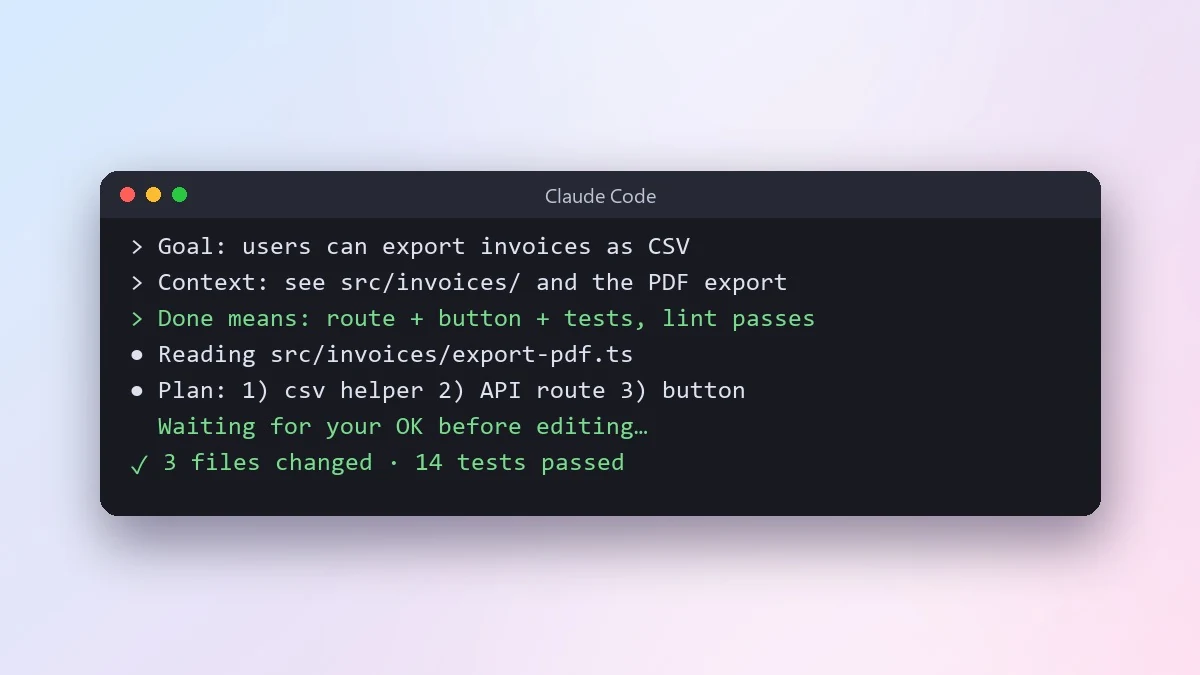
1. Give the whole job, not a piece of it. Long-horizon models are built to plan and work through many steps. Say what "done" looks like.
Goal: move our signup form from the old validation library to the new one.
Done means: all existing tests pass, no change to what the user sees,
and a short list of anything you couldn't move safely.
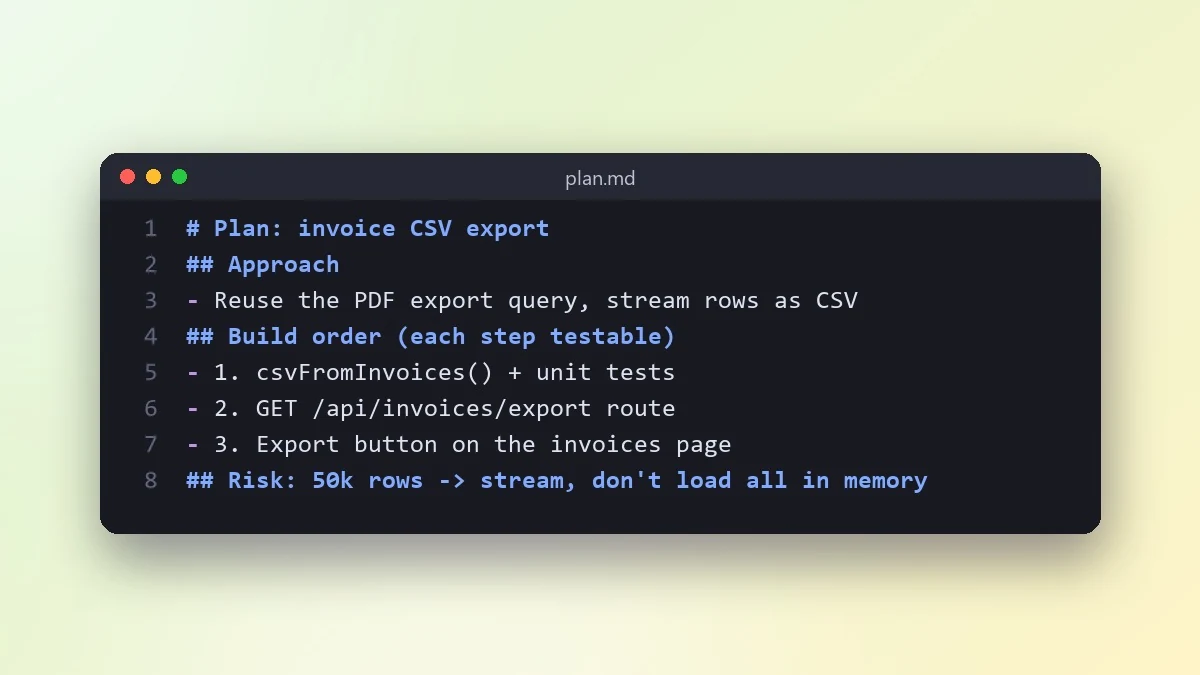
Before writing code, list the files you plan to change and why.
The agent task brief prompt and the plan-before-coding prompt give you this structure ready to fill in.
2. Paste the source, and say what to do when it's missing. For legal or finance work, the risk isn't a dull answer, it's a confident wrong one.
Using only the contract below, list every date I have to act by
and what happens if I miss it. If something isn't in the contract,
write "not stated" instead of guessing.

<contract>
[PASTE THE CONTRACT TEXT HERE]
</contract>
Try the plain-English legal document prompt for the same job with more detail.
3. Ask for the shape of the answer. A long output limit doesn't mean you want a long answer. Say the format: a table, five bullet points, a one-page memo. The decision memo prompt and the research paper summary prompt both fix the shape for you.
4. For security work, stay on your own systems. Google is releasing Argon to defenders first for a reason. Ask it to review code you own or are allowed to test, and describe the setting: "this is our internal billing service, written in Python, reviewed before release".
What to use while you wait
The Gemini models you already have are still very capable for coding, study and writing. Our Gemini prompts collection has ready-made prompts for all of them, and the AI coding prompts page covers debugging, reviews and agent briefs that work in Gemini, ChatGPT and Claude alike.
Where to go from here
Comparing the big three? Read ChatGPT vs Claude vs Gemini prompts for how each one likes to be asked. If you want a structured prompt without writing it yourself, the prompt builder turns a rough idea into a full brief in a few questions, and the free prompt library has hundreds more to copy.
Quick checklist
- Argon was released on 30 September 2026, but only to Google's security partners so far.
- Ultra subscribers and paid API users are next; Google hasn't given a date.
- Be wary of anyone selling "Argon access" today.
- Brief it like a colleague: the goal, what done looks like, and the source material.
- Ask for the format you want, even when the model can write a million tokens.






Comments
No comments yet. Be the first to share what worked for you.