AI prompts for a retirement party: the speech, the tribute photo and the invite
Published
Short answerGive the AI the real years of service and one or two specific memories, not just "write something nice". A tribute photo, a short speech built around one story, and a simple invite cover most of what a retirement party needs.
A retirement party has a different tone from most leaving dos. It's a celebration of years, not just a goodbye, and the best version of it usually has three parts: something visual to mark the occasion, a speech that tells one real story instead of a list of achievements, and the practical plumbing of an invite and a thank-you.
Plan the party first
The party planner prompt turns a date and a budget into an actual plan:
Plan a [BIRTHDAY / FAREWELL / HOUSE PARTY].

Guests: [NUMBER AND TYPE]
Budget: [AMOUNT]
Date, place and time: [DETAILS]
Theme or vibe: [THEME]
Food restrictions: [ANY]

Give a countdown checklist from 3 weeks to the day, a budget split, menu ideas, 3 simple activities, a playlist mood and a timeline for the event day.
Set the type to "farewell" and add "retirement, 20+ years of service" to the theme line so the suggestions lean celebratory rather than generic.
A tribute portrait for the gift table
The retirement tribute portrait prompt turns a normal photo into something closer to a framed tribute:
Create a warm tribute portrait from this photo for a retirement celebration. Keep the person's face and features exactly the same.

Soft golden light, elegant [COLOUR] background with a subtle pattern, a small banner "[NAME] · [YEARS] years of service" at the bottom, respectful and celebratory mood, print-ready.
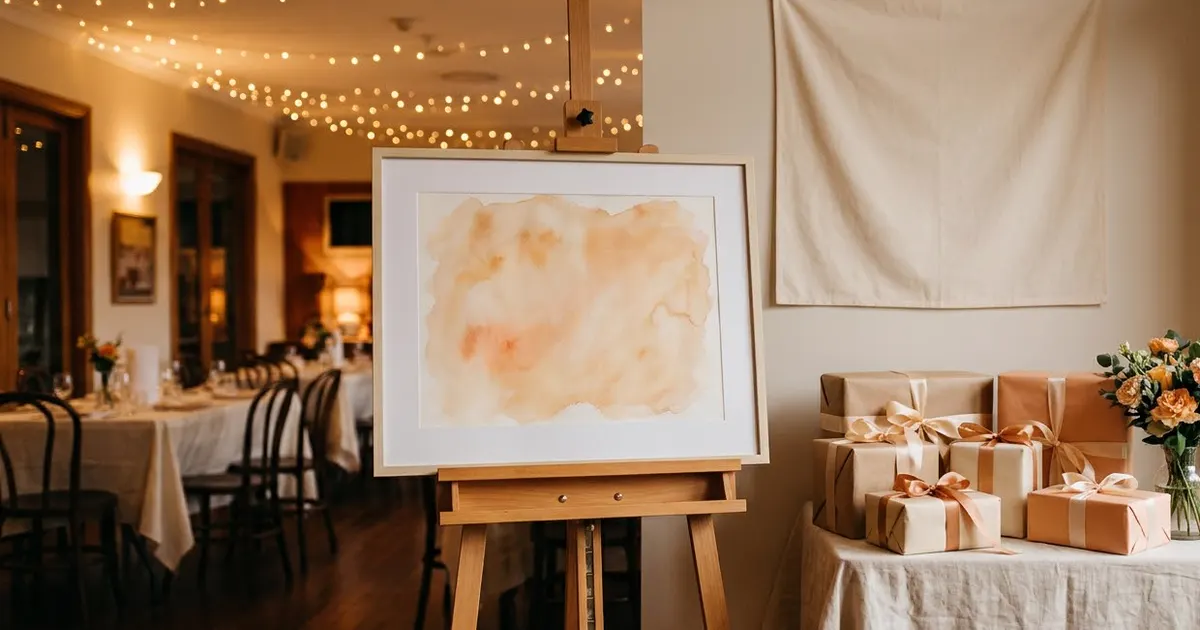
Print it large and set it on an easel near the gift table, rather than passing round a phone. If you don't have one great recent photo, pick the clearest one you have; the AI can't fix a blurry or low-resolution source photo, only the background and lighting around it.
Double-check the name, years and job title in the generated banner before you print it. AI-generated text is still the easiest thing to get wrong on an otherwise good design.
The speech: one story beats a list
The farewell speech prompt is built to stop the speech turning into a CV read aloud:
Write a short farewell speech.

Who is leaving: [ME / A COLLEAGUE, NAME AND ROLE]
Years together: [NUMBER]
Memories or achievements: [LIST]
Mood: [FUNNY / EMOTIONAL / MIX]

About 2 minutes. Start with a warm line, tell one story, thank people by name and finish with a wish for what comes next. Include one gentle joke.
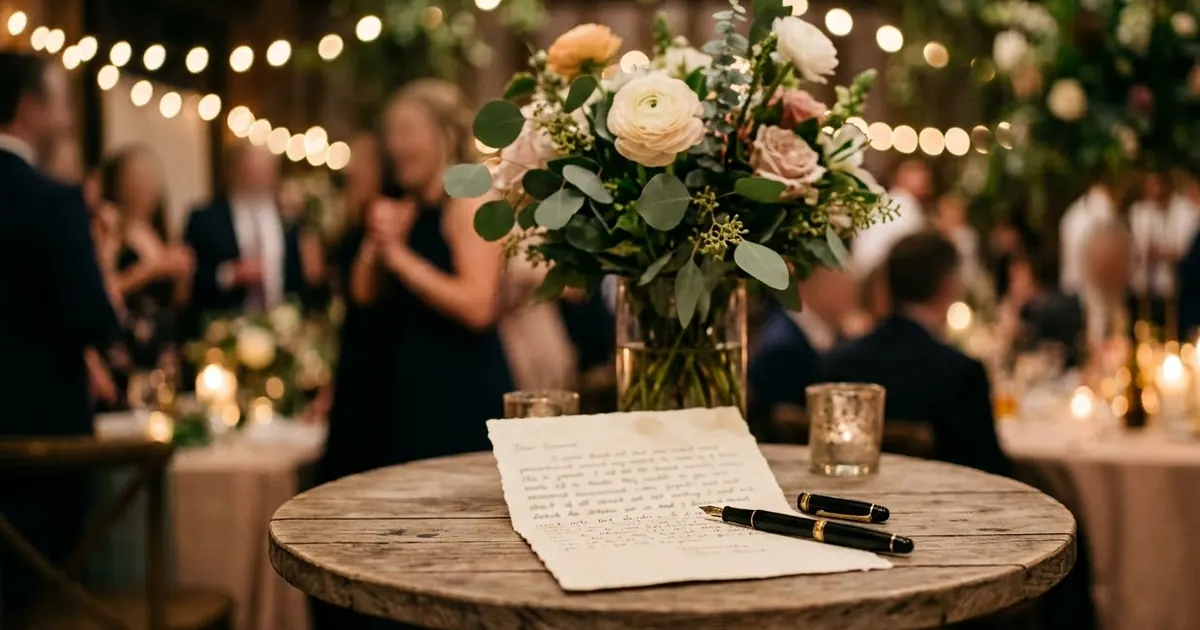
Give it a real memory, even a small one, rather than a list of job titles and dates. "She once talked a client out of cancelling a contract using a biscuit tin" says more in one line than three bullet points of achievements ever will. If you're giving the speech yourself, read it aloud once before the day. A line that looks fine on the page can sound stiff out loud, and you'll want time to fix that.
The invitation
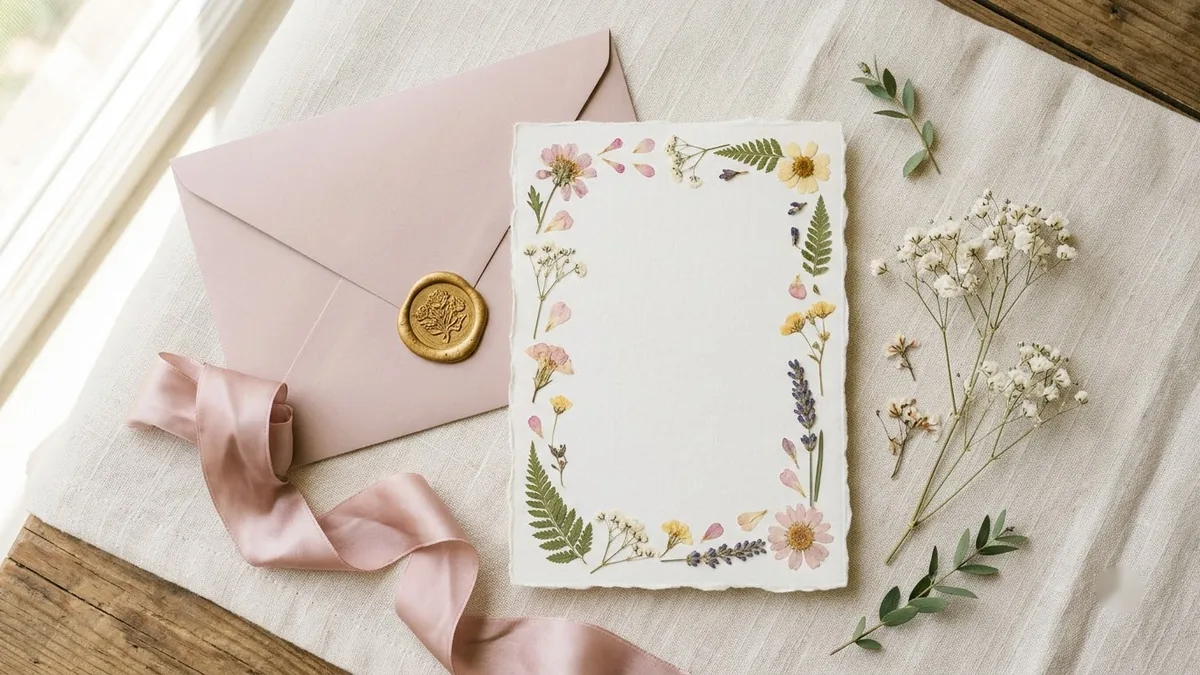
A retirement party invite needs to say what it is without sounding like a work meeting. The invitation card prompt handles the design:
Design an elegant invitation card for [EVENT, e.g. Priya's retirement celebration after 22 years].

Text, spelled exactly:
"[MAIN LINE, e.g. Join us to celebrate Priya's retirement!]"
"[DATE & TIME]"
"[VENUE]"

Theme: [THEME, e.g. warm gold with a soft confetti pattern]. Clear hierarchy, easy-to-read fonts, balanced white space, and print-ready. Portrait 5:7.
Send it out early. For a well-attended party, two to three weeks' notice with a clear RSVP date gives people time to actually plan around it instead of guessing whether to show up.
Thank-you notes afterwards
Whoever is retiring usually wants to send something back, and whoever organised the party deserves one too. The thank-you note prompt keeps it specific rather than generic:
Write a thank-you note.

To: [NAME AND RELATIONSHIP]
What they did: [SPECIFIC ACT]
What difference it made to me: [IMPACT]
Occasion: [GIFT / HELP / INTERVIEW / TEACHER]

Make it 60 to 100 words, warm and specific. Avoid generic lines like "I really appreciate everything you do". Give 2 versions: one for a card, one for a message.
Mentioning the actual gift, or what the organiser actually did, is what makes a thank-you note land. "Thank you for the garden bench, I've already had my morning coffee on it twice" beats "thank you for being so thoughtful" every time.
Fixing common problems
The speech sounds like a CV. Replace the achievements list with one or two short stories instead, and ask it to drop any line that sounds like a job description.
The tribute photo's banner text is wrong. Say the name, years and any title again, clearly, and ask it to render that exact text with no changes.
The invite looks cluttered. Cut the text down to the three lines in the prompt. A fourth line of detail (dress code, parking, a map) can go in the message you send alongside it, not on the card itself.
Where to go from here
If this is a job change rather than a retirement, see our resignation and farewell message prompts instead. All the prompts here are free in the chat and writing prompts collection, and the prompt builder can adapt any of them to your own event.
Quick checklist
- Plan the event first: guests, budget, date and a timeline.
- Build the speech around one real story, not a list of achievements.
- Double-check any name, year or title the AI writes onto the tribute photo.
- Send invitations two to three weeks ahead with a clear RSVP date.
- Keep thank-you notes specific to what the person actually did.
Prompts to try




More prompts on this topic
- Gentle memorial tribute portraitGemini · ChatGPT
- New Year party portraitGemini · ChatGPT
- Birthday portrait with balloons and confettiGemini · ChatGPT
- Practise a speech with feedbackChatGPT · Gemini · Claude
- Write a wedding speechChatGPT · Gemini · Claude


Comments
No comments yet. Be the first to share what worked for you.