AI street interview prompts: the viral "vox pop" trend, done honestly
Published
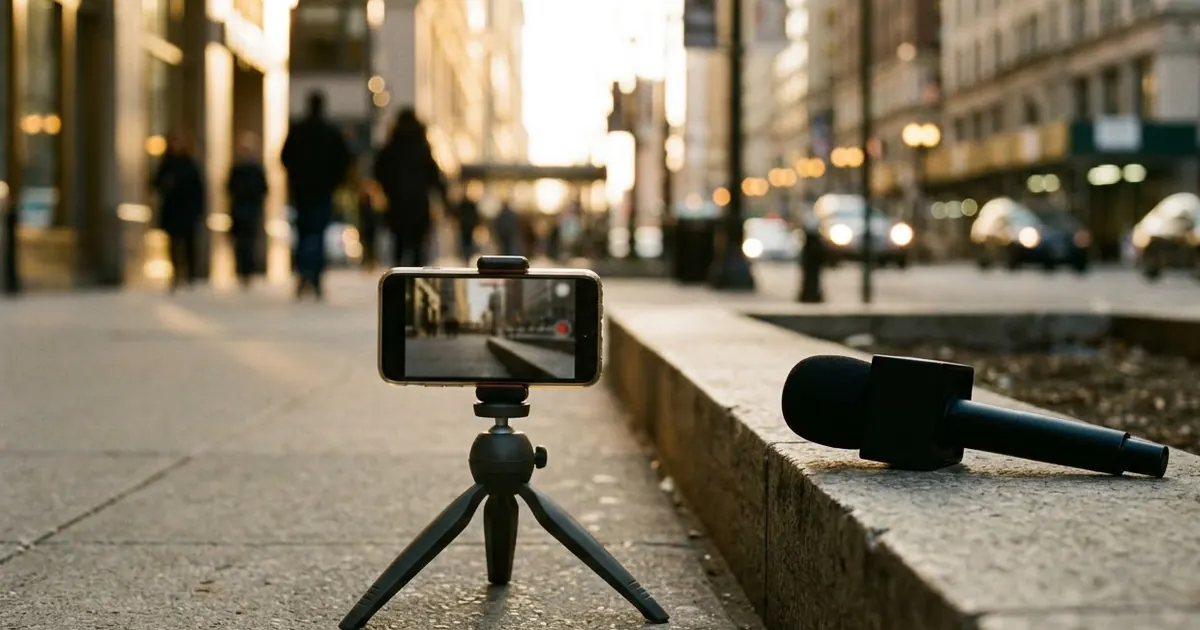
Short answerWrite the reporter's question and the answer in quotes, name a real street and a believable crowd, and keep the clip to one question. Label it as AI if you post it, because this exact format is also being used to fake real news.
You've probably seen one of these: a "reporter" stops someone on the street, asks a question, and the answer is funnier or sharper than anything a real stranger would say on camera. A lot of them are now made entirely with AI, from a text prompt, with no reporter, no microphone and no street involved.
It's a fun format to make. It's also being used for something less fun: fact-checkers at AAP found a Facebook page, run from overseas, posting fake "street interview" clips with logos that looked like real Australian news outlets (AAP FactCheck). This guide shows you how to make the format well, and where the line is between a fun video and a misleading one.
What a vox pop video needs
"Vox pop" is the old newsroom term for "voice of the people": quick street interviews with ordinary members of the public. The AI version keeps the same shape:
- A location that looks like a real street or public place.
- A reporter holding a microphone toward someone.
- One short question.
- One short, natural-sounding answer.
Video models such as Veo and Kling can generate the picture and the voices together, as long as you write the dialogue clearly.
The core prompt
Start with the AI street interview prompt:
Handheld street-interview video on a busy [CITY, e.g. Bengaluru] street during the day. A reporter holds a microphone toward a [PERSON, e.g. college student in a denim jacket] and asks: "[QUESTION, e.g. What's one thing AI can never replace?]"

The person laughs and answers naturally: "[ANSWER]"

Realistic crowd and traffic in the background, natural daylight, slight handheld shake, clear dialogue over light street ambience. Vertical 9:16, 8 seconds.
Three things matter more than the rest of the wording:
- Put every spoken line in quotation marks. Video models that generate lip-synced speech, such as Veo, read quoted text as dialogue. Without the quotes, you often get a silent clip or mismatched mouth movement.
- Name a real city or area. It gives the model real street furniture, signage style and crowd mix to draw on, instead of a generic backdrop.
- Keep the question and answer short. An 8-second clip has room for one quick exchange, not a conversation. Six to ten words a line is a safe length.
Writing a question worth sharing
The question is what makes people watch to the end. Weak questions get a flat answer; sharp ones invite a surprising one.
| Weak | Better |
|---|---|
| "What do you think about AI?" | "What's one job AI will never be able to do?" |
| "Tell me about your day." | "What's the most expensive mistake you've ever made?" |
| "Do you like your city?" | "What's one thing only someone from [YOUR CITY] would understand?" |
If you make these for a brand or a creator account, turn this week's trends into content ideas first. Paste in whatever's actually being talked about that week, and ask the AI to suggest a question that fits your audience, rather than guessing.
Give it a strong first three seconds
Vox pop clips often open mid-conversation, which works less well in a feed where people scroll past anything that doesn't grab them instantly. Two small additions help:
- Open on the question hook prompt style: have the reporter ask the question almost straight to camera, so the hook lands in the first beat.
- Or cut your clip together with a Reel opener as the first half-second, a quick snap-zoom into the reporter, before the question.
Either works. Pick whichever matches the energy of the rest of your feed. The question hook prompt on its own looks like this:
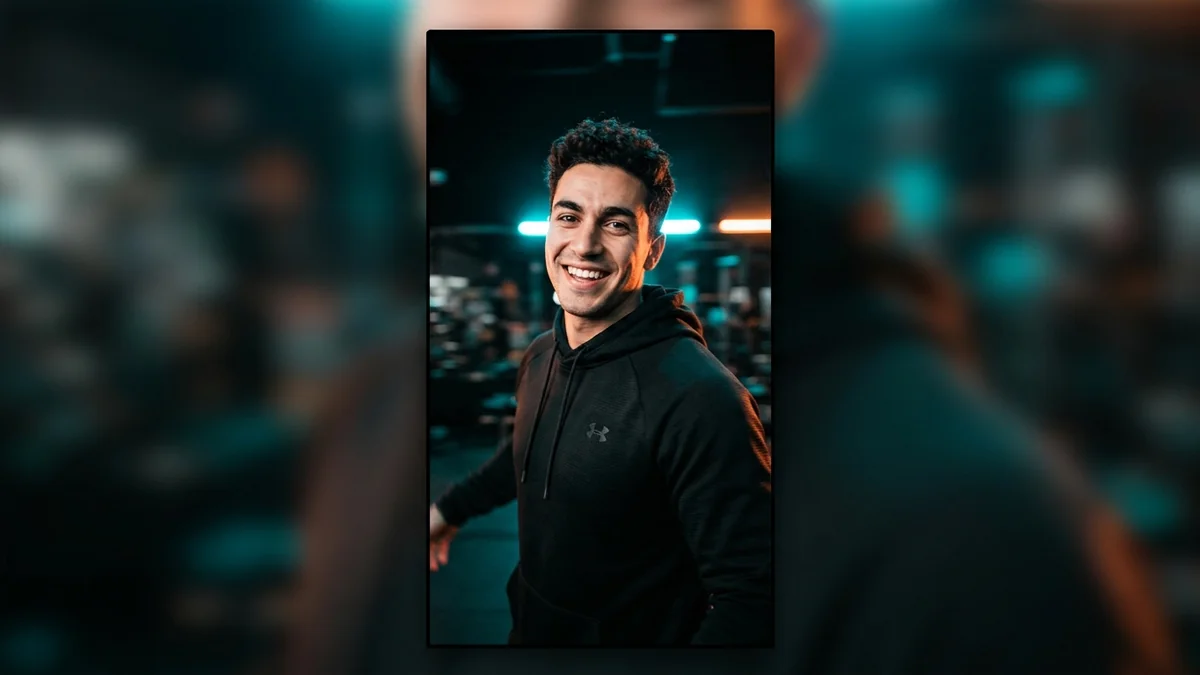
Vertical video: a [PERSON, e.g. friendly woman in her 30s] leans toward the camera in a bright kitchen, raises an eyebrow and says: "[QUESTION, max 12 words]". Quick punch-in zoom on the last word, natural handheld feel, bright clean light, lively energy, first 3 seconds of a short-form video.
Use it as a standalone opener, then cut to the full street-interview clip for the answer.
Keep it clearly fiction
This is the part that separates a fun video from a misleading one:
- Say it's AI. A caption line, a watermark or an on-screen label is enough. Most platforms now ask creators to label realistic AI video, and a vox pop clip is exactly the kind of content that fools people without one.
- Don't use a real news outlet's name, logo or presenter. The fake clips AAP found borrowed real broadcaster branding, which is what made them dangerous rather than just silly.
- Don't put real claims, numbers or quotes in a fake interviewee's mouth. Invented opinions about made-up topics are fine. A fabricated "man on the street" quote about a real news event is not.
Fixing common problems
The mouth doesn't match the words. Shorten the line. Long sentences are more likely to drift out of sync by the end of the clip.
The answer sounds scripted, not natural. Add "answers naturally, with a small pause before the funny part" to the prompt, or ask for "answers like they're thinking it through."
The street looks empty or fake. Add specific background detail: "a cyclist passes behind," "shop signs and hanging lights," "someone crossing in the distance."
It keeps adding a reporter's name caption. Add "no on-screen text or names" to the end of the prompt.
Where to go from here
For the basics of writing any AI video prompt, start with AI video prompts for beginners. More trend-style clips like this one are in the viral AI video effect prompts collection, and the prompt builder can fill in a question and answer for you if you'd rather not write from scratch.
Quick checklist
- Put the question and the answer in quotation marks.
- Name a real street, city or area for a believable backdrop.
- Keep each line to about six to ten words.
- Open with a hook, not a slow build-up.
- Label the clip as AI before you post it, and never borrow a real outlet's branding.





Comments
No comments yet. Be the first to share what worked for you.