Navratri vrat thali AI prompts: fasting recipes and photos that look good enough to share
Published
Short answerTell the AI your fasting ingredients and what to avoid (onion, garlic, regular wheat and grains), and it can suggest vrat-friendly recipes. For the photo, keep the real food and plating, and ask only for better light, colour and a tidy flat lay.
Sharad Navratri 2026 runs from Sunday 11 October to Monday 19 October, with Vijayadashami on 20 October. Alongside garba nights and new outfits, Navratri for many households also means nine days of fasting, or vrat: no onion, no garlic, no regular wheat flour and often no rice or lentils, depending on family custom. Instead, meals are built around sabudana (tapioca pearls), kuttu or singhare ka atta (buckwheat or water chestnut flour), potatoes, fruit, dairy and sendha namak (rock salt).
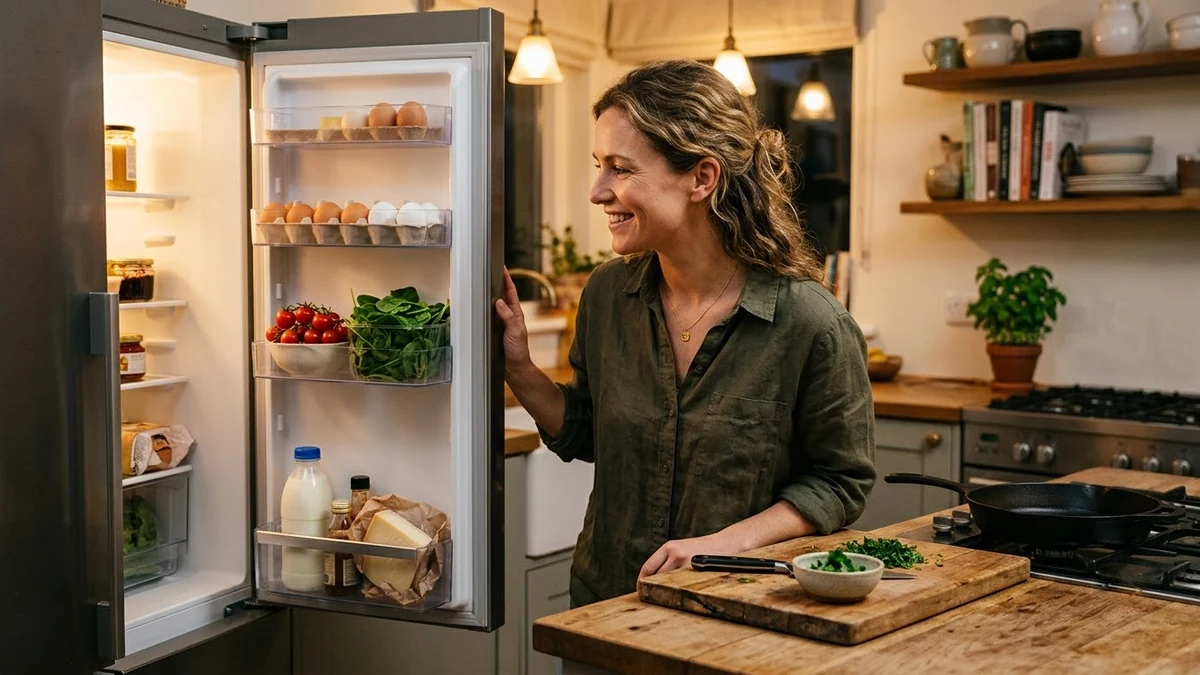
Cooking the same way for nine days gets repetitive fast, and a vrat thali photographed under a kitchen tube light rarely does the food justice. AI can help with both: suggesting a fasting-friendly recipe from what's already in your kitchen, and making the photo you take of it look like something worth sharing.
Ask for recipes, not a diet lecture
The useful prompt here isn't "give me a fasting recipe." It's one that tells the AI exactly what you can and can't use, so it doesn't suggest something with onion in it by mistake.
I'm fasting for Navratri. I can use: sabudana, kuttu atta, singhare ka atta, rajgira, potatoes, paneer, curd, fruit, dry fruits, sendha namak, and [ANY OTHER ITEMS YOU HAVE].

I cannot use: onion, garlic, regular wheat flour, regular salt, rice, and [ANYTHING ELSE YOUR FAMILY AVOIDS].

Suggest 3 dishes I can make with what I have, for [MEAL, e.g. breakfast / a light dinner]. For the one that sounds best, give the full recipe with quantities and steps.
This is the same idea as the recipe-from-ingredients prompt, adapted with a clear "can and can't use" list. Giving both lists matters: without the second one, a general-purpose chatbot has no way to know fasting rules vary by region and family, so it will happily suggest something with onion or rice.
A few things worth asking for by name, since they come up every Navratri:
- Sabudana khichdi that isn't gluey. Ask: "How do I stop sabudana khichdi from turning sticky? What's the right way to soak it?"
- A variation on the usual. If you're bored of the same three dishes, say so: "I've made sabudana khichdi, kuttu puri and sama rice khichdi already this week. Suggest something different using the same ingredients."
- A kids' version. "Make this less spicy and easier for a 6-year-old to eat, same ingredients."
Make the thali photo worth posting
Once the food is plated, the goal with the photo is the same as any food photo: keep the dish exactly as it is, and fix the light and colour, not the food itself.
Enhance this photo of my Navratri fasting thali. Keep every dish, the bowls and the plating exactly as they are. Do not add or remove any food.

Improve: warm natural light from one side, slightly deeper colour in the curries and fruit, cleaner table surface, soft shadows, no harsh kitchen-light glare. Realistic, not overly glossy.
This follows the restaurant food enhance prompt: it is an edit, not a regeneration, so the dal, the sabudana and the fruit in your actual photo stay exactly what you cooked.
A flat lay if you're planning the shot in advance
If you want a styled overhead shot rather than a quick enhance, describe the spread the way a food magazine would, including the small bowls and the steel thali that most vrat meals are served in:
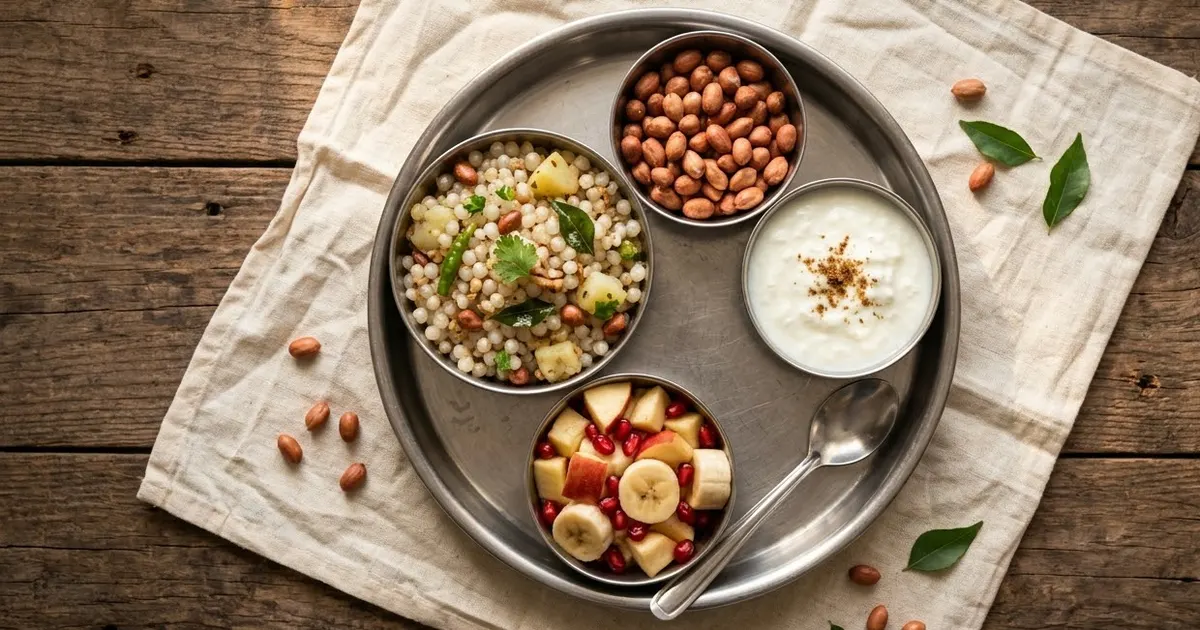
Overhead flat-lay photograph of a Navratri fasting thali: sabudana khichdi, kuttu puri, curd, roasted peanuts, a small bowl of fruit, and sendha namak, served in small steel bowls on a steel thali.

Surface: a rustic wooden table with a plain cotton cloth. Natural window light from the left, warm tones, a few scattered peanuts and curry leaves for texture, editorial food magazine style.
This is built the same way as the food flat lay prompt: name every dish, the serving dishes, the surface and the light, rather than asking for "a nice festive food photo."
A short video for your status
If you want to share more than a photo, a short recipe-style clip works well for a WhatsApp status or a Reel. The recipe timelapse prompt turns a plated dish into hands-chopping, pan-tossing, final-plating clip. Swap in your actual dish and it keeps the format but shows your food.
Fixing common problems
It suggested something not allowed. Chatbots don't reliably know every family's fasting rules. Always list both what you can and cannot use, and double-check the suggestion yourself before cooking.
The photo looks too staged. Drop words like "editorial" or "magazine style" and ask for "a photo that looks like it was taken at home, natural and a little imperfect."
Steam or texture didn't show up. Add it directly: "Add a little visible steam rising from the khichdi" or "show the texture of the roasted peanuts clearly."
Colours look washed out. Ask for "slightly warmer, richer colour in the vegetables and fruit, without making it look edited."
Where to go from here
For the festive portrait side of Navratri, see Navratri colours 2026, with a prompt for each day. For more food photo prompts year-round, browse photo editing prompts, and the prompt builder can adapt any prompt here to your own thali and ingredients.
Quick checklist
- List both what you can use and what you must avoid, since fasting rules differ by family.
- Ask for a specific dish by name if you're bored of the usual three.
- Enhance the photo you took rather than generating a new one, so the real food stays real.
- Name the dishes, the serving bowls, the surface and the light for a styled flat lay.
- Check any recipe suggestion against your own family's rules before cooking.

Comments
No comments yet. Be the first to share what worked for you.