AI meal planning and recipe prompts: a week of food without the daily "what shall we eat"
Published
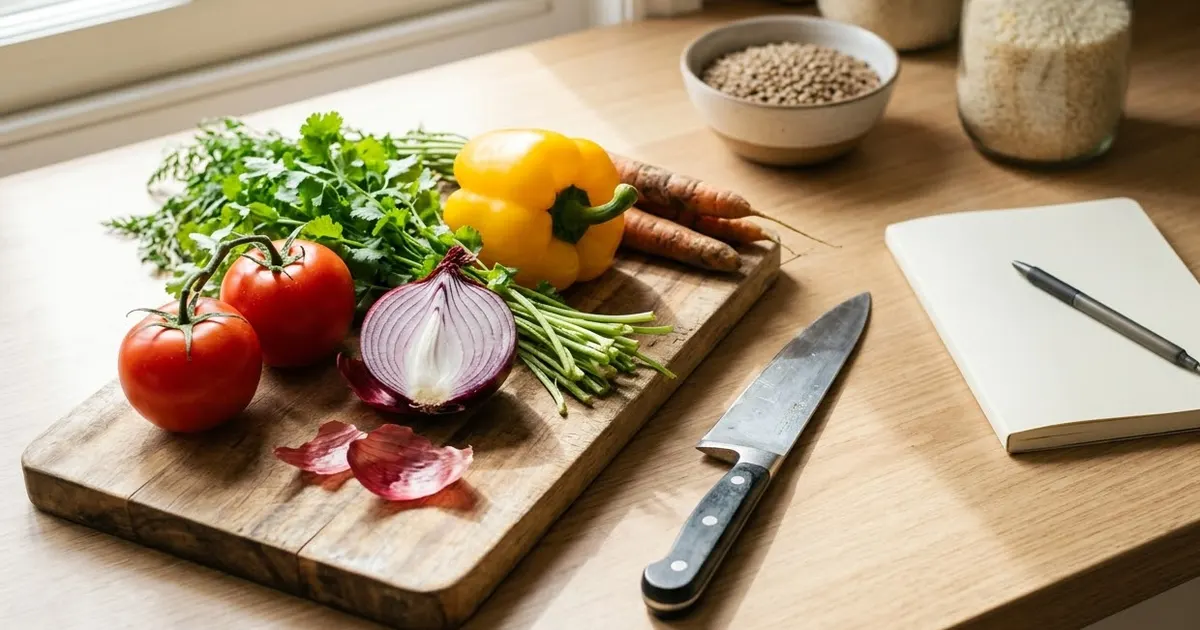
Short answerGive the AI your household, diet, cooking time and what's already in your kitchen, and ask for a plan or a recipe that fits, not a generic one. The more specific the limits you give it, the less food goes to waste.
"What's for dinner" is one of the most repeated, low-stakes, genuinely tiring questions in a household. It's not hard to answer once. It's hard to keep answering well, night after night, around a job, a budget and the people you're actually cooking for. AI is a good fit here for a simple reason: it can hold a whole week's plan in its head and check it against your diet, your time and your dislikes, which is more than most of us do before we open the fridge.
These prompts cover the weekly plan, using what's already in your kitchen, a dinner party, feeding a picky toddler, and fixing a bake that went wrong.
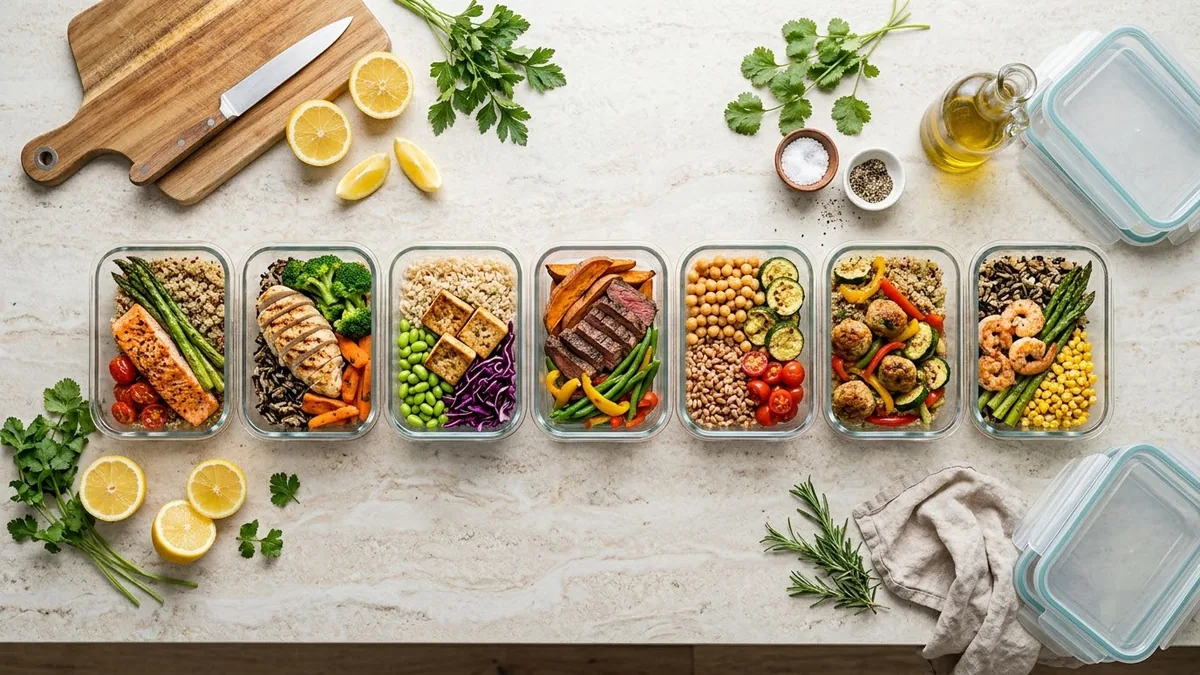
A week of meals and one shopping list
The weekly meal plan prompt is the one to start with if you're planning more than one day at a time:
Create a 7-day meal plan for [PEOPLE, e.g. 2 adults].
- Diet: [DIET, e.g. vegetarian South Indian, high protein]
- Goal: [GOAL, e.g. weight loss / muscle gain / healthy family meals]
- Allergies or dislikes: [ALLERGIES]
- Cooking time: [TIME, e.g. max 30 minutes on weekdays]

Show it as a table (Day | Breakfast | Lunch | Dinner | Snack) with the approximate protein per day. Then give one combined grocery list grouped by section.
The grocery list grouped by section (produce, dairy, store cupboard) is worth keeping even if you ignore the rest of the plan some days. Walking into a shop with one list instead of seven separate meal ideas is most of the time saving. For a medical diet, check the plan with a doctor or dietitian before you rely on it.
Cooking with what you already have
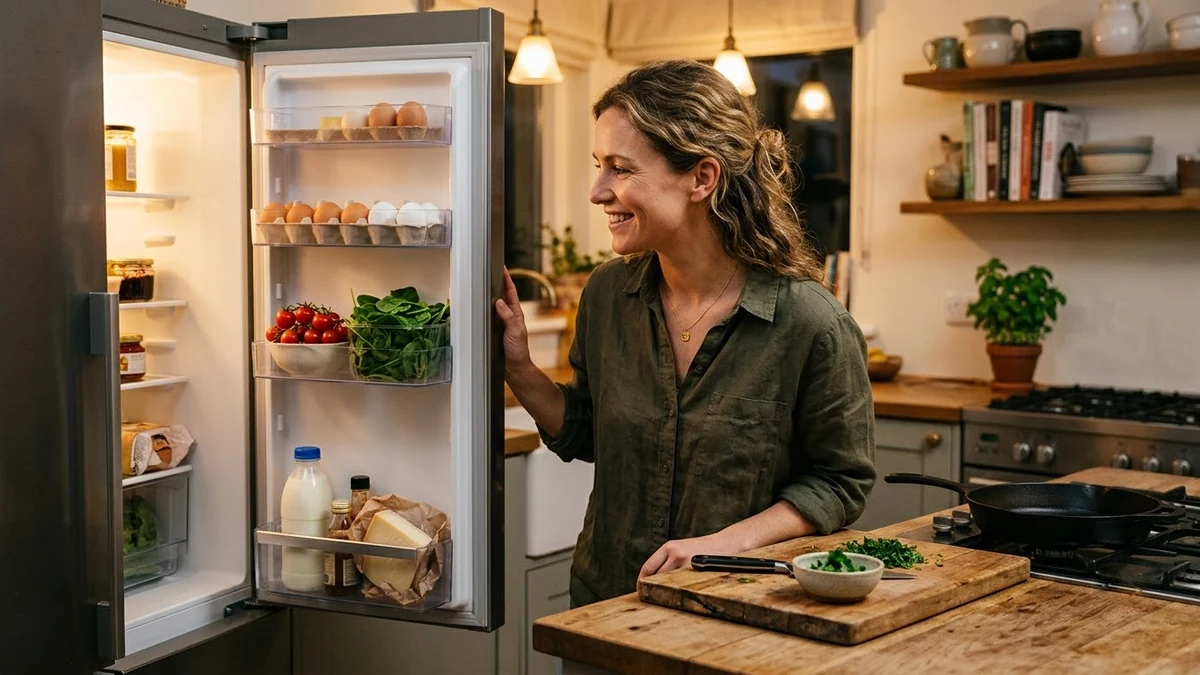
Food waste usually starts with ingredients that didn't fit any recipe you could think of. The recipe from your kitchen prompt works from what's actually there instead of a shopping trip:
I have these ingredients: [LIST]
Also in my pantry: [SPICES, OIL, ETC.]
Cuisine I enjoy: [e.g. South Indian, Italian]
Diet: [VEG / VEGAN / NONE]
Time: [MINUTES]
People: [NUMBER]

Suggest 3 recipes I can make right now with few extra items. For the one you like best give the full recipe with quantities, steps and one tip to make it taste better.
List everything, including the half-used jar at the back of the fridge. The prompt card's tip is right: more detail finds better matches, and odd combinations of leftovers are exactly where this prompt earns its keep.
Planning a dinner party without being stuck in the kitchen
Hosting is a different problem from everyday cooking, because timing matters as much as the food itself. The dinner party menu prompt plans backwards from the evening you actually want:
Plan a dinner party menu for [NUMBER] guests.

Occasion: [OCCASION]
Dietary needs: [DIETARY NEEDS]
Cooking skill and kitchen limits: [SKILL AND EQUIPMENT]
Budget: [BUDGET]

Give a starter, main, sides and dessert, a shopping list, a prep timeline from two days before to serving, and a plan so I am not stuck in the kitchen when guests arrive.
Choose at least two dishes that can be fully made the day before. That one choice does more for an enjoyable evening than any recipe does, because it's the difference between greeting your guests and apologising from behind a stove.
Feeding a picky toddler
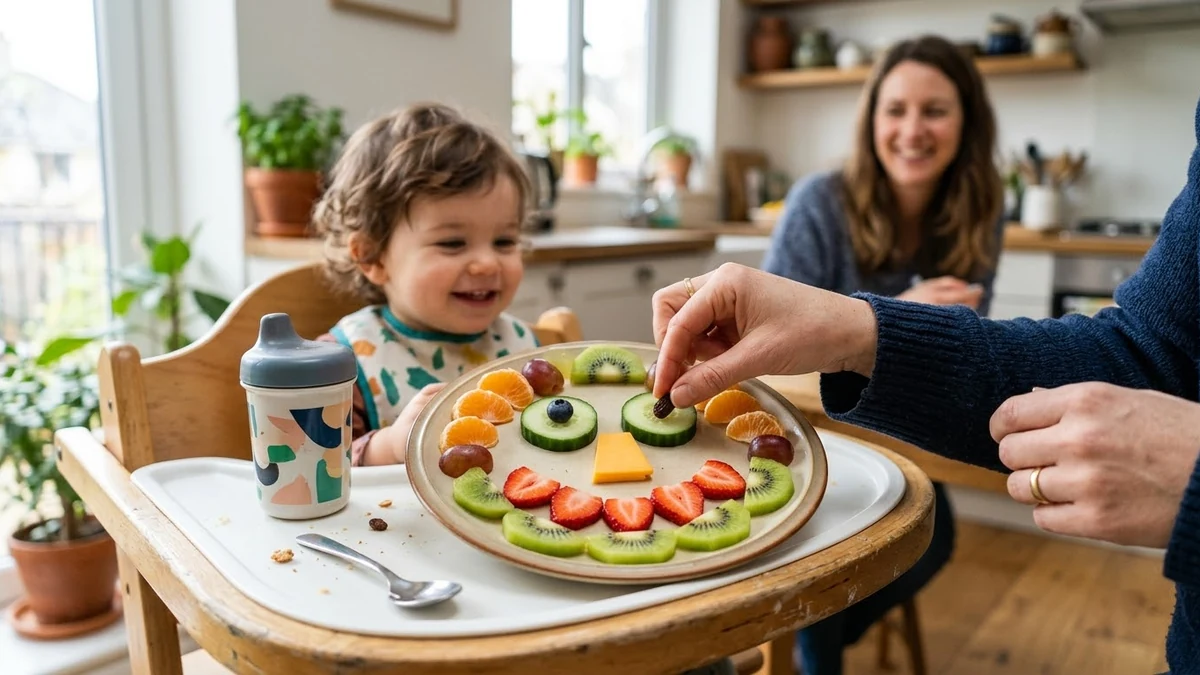
Toddlers reject food for reasons that have nothing to do with taste, and a week of refused dinners is exhausting in a way that's hard to explain to anyone without one. The toddler meal ideas prompt works within what your child already accepts, rather than against it:
Suggest a week of meals and snacks for a toddler aged [AGE] who is a picky eater.

Foods they accept: [SAFE FOODS]
Foods they refuse: [REFUSED FOODS]
Allergies or restrictions: [ALLERGIES]

Give simple recipes that hide or pair new foods with safe ones, and tips for mealtimes. This is general inspiration, not medical advice; check anything with your paediatrician.
Offer a new food next to a safe favourite, with no pressure to eat it. Repeated, low-pressure exposure is what tends to work, not a single clever recipe. Treat this prompt as inspiration, and check anything medical with your paediatrician.
Fixing a bake that went wrong
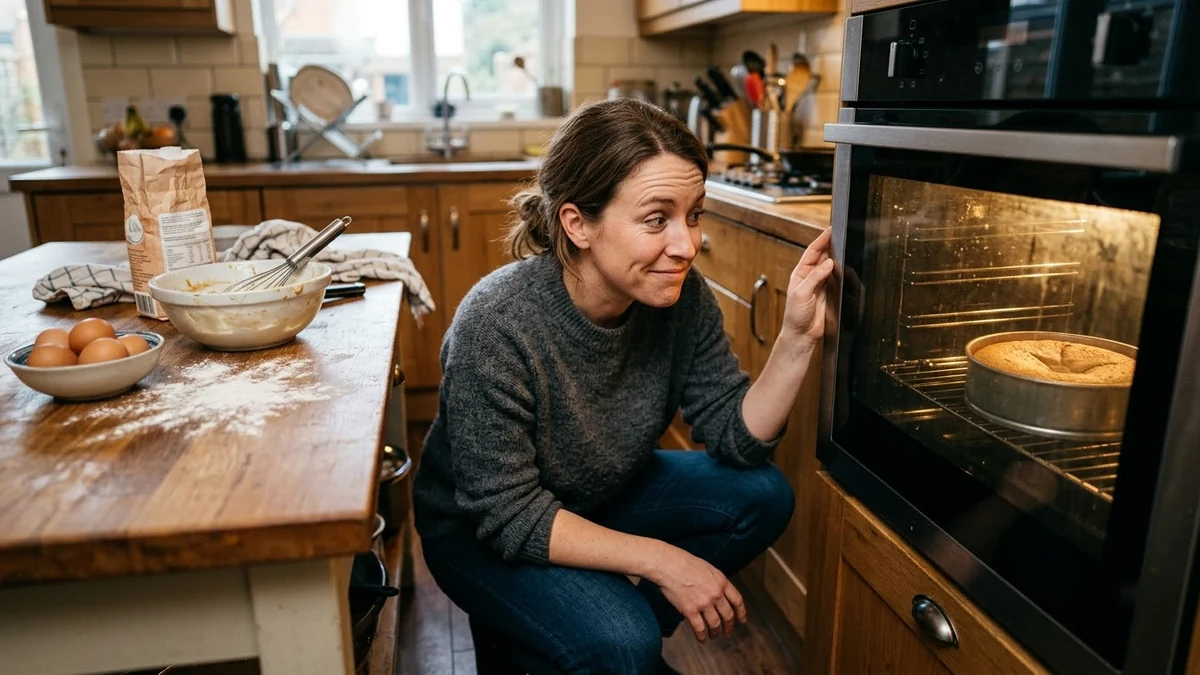
Baking fails are frustrating because the usual advice, "just follow the recipe", is exactly what you did. The fix a baking problem prompt asks for causes you can actually test:
My [CAKE / BREAD / COOKIES] did not turn out right.

What happened: [PROBLEM, e.g. sank in the middle]
The recipe and my measurements: [RECIPE]
Oven type and temperature: [OVEN]
What I did differently: [CHANGES]

List the three most likely causes, tell me how to test each one and give me a corrected method for next time.
Share your exact measurements and oven temperature rather than rounding them off. Small details, a slightly cool oven, one ingredient swapped, are usually the actual cause, and the AI can only work with what you tell it.
A simple routine
Run the weekly plan prompt on a Sunday for the week ahead, and keep the "what's in my kitchen" prompt for a weeknight when the plan falls through or you're staring at ingredients with no obvious use. Save the dinner party and toddler prompts for when the situation actually comes up; there's no need to re-run them every week.
Where to go from here
If the goal is fitness rather than food variety, see AI workout and meal plan prompts for plans built around training goals and a budget. Hosting for a festival specifically? Thanksgiving hosting and leftovers with AI and Navratri vrat thali prompts cover those occasions. All the prompts above are free in the fitness and meal plan prompts collection, and the prompt builder can adapt any of them to your own kitchen.
Quick checklist
- Give your real diet, dislikes and cooking time, not just "healthy meals".
- Keep the grouped grocery list even on days you don't follow the rest of the plan.
- List everything in your kitchen, including half-used items, before asking for a recipe.
- Pick at least two dinner party dishes you can make the day before.
- Share exact measurements and oven temperature when troubleshooting a bake.
Prompts to try

More prompts on this topic
- Recipe video with hands and timelapseVeo · Kling · Seedance
More prompt guides
 7 October 2026Halloween party and costume ideas with ChatGPT: invitations, menus and trick-or-treat plans
 7 October 2026Navratri vrat thali AI prompts: fasting recipes and photos that look good enough to share
 7 October 2026Thanksgiving hosting and leftovers with ChatGPT: menu, timeline, shopping list and next-day meals
Comments
No comments yet. Be the first to share what worked for you.